Nutrition Education
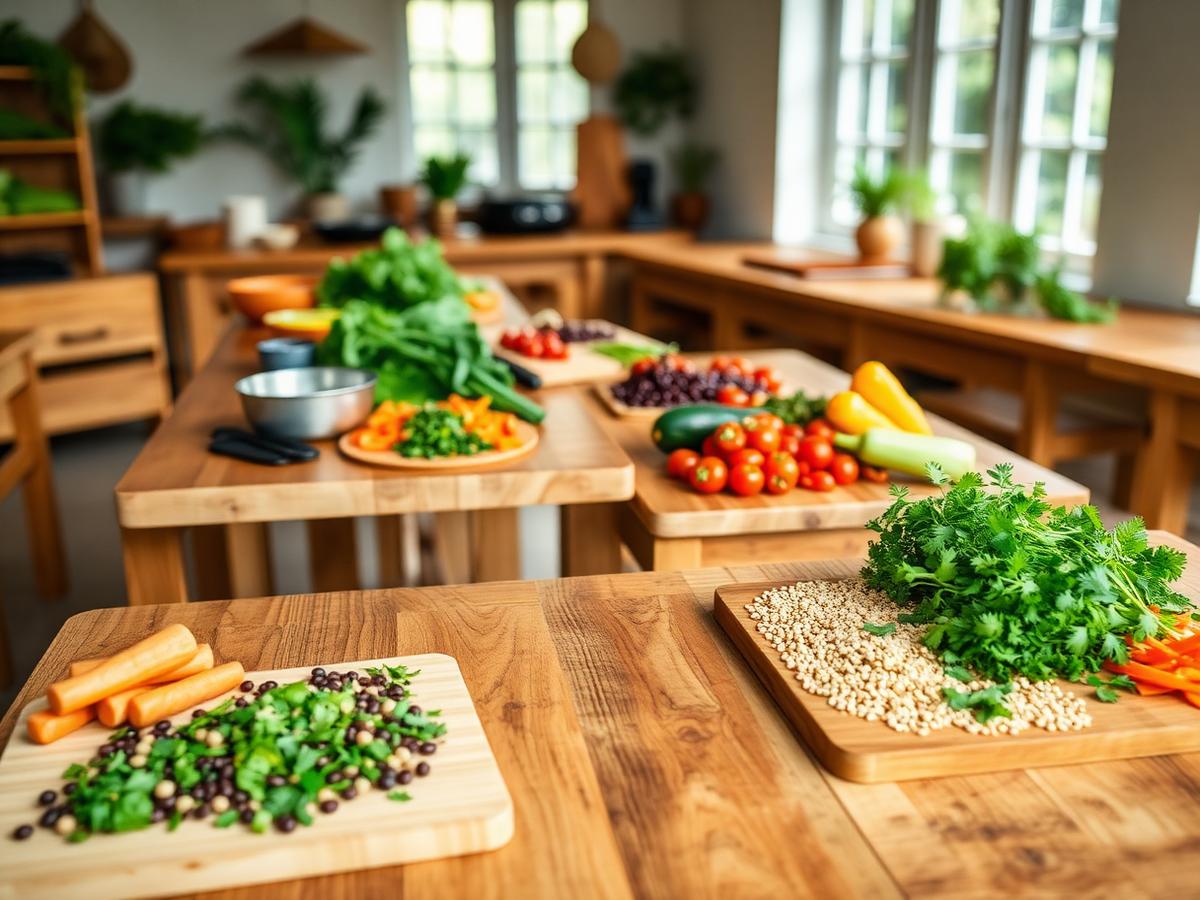
Designing nutrition education communities actually use
Sessions built around the food, budgets, and kitchens people already have consistently outperform generic curricula.
· 5 min read

Food as Medicine
The operational details — referral flow, pickup logistics, and follow-up — often matter more than the design of the benefit itself.
Amana Healthcare · · 6 min read
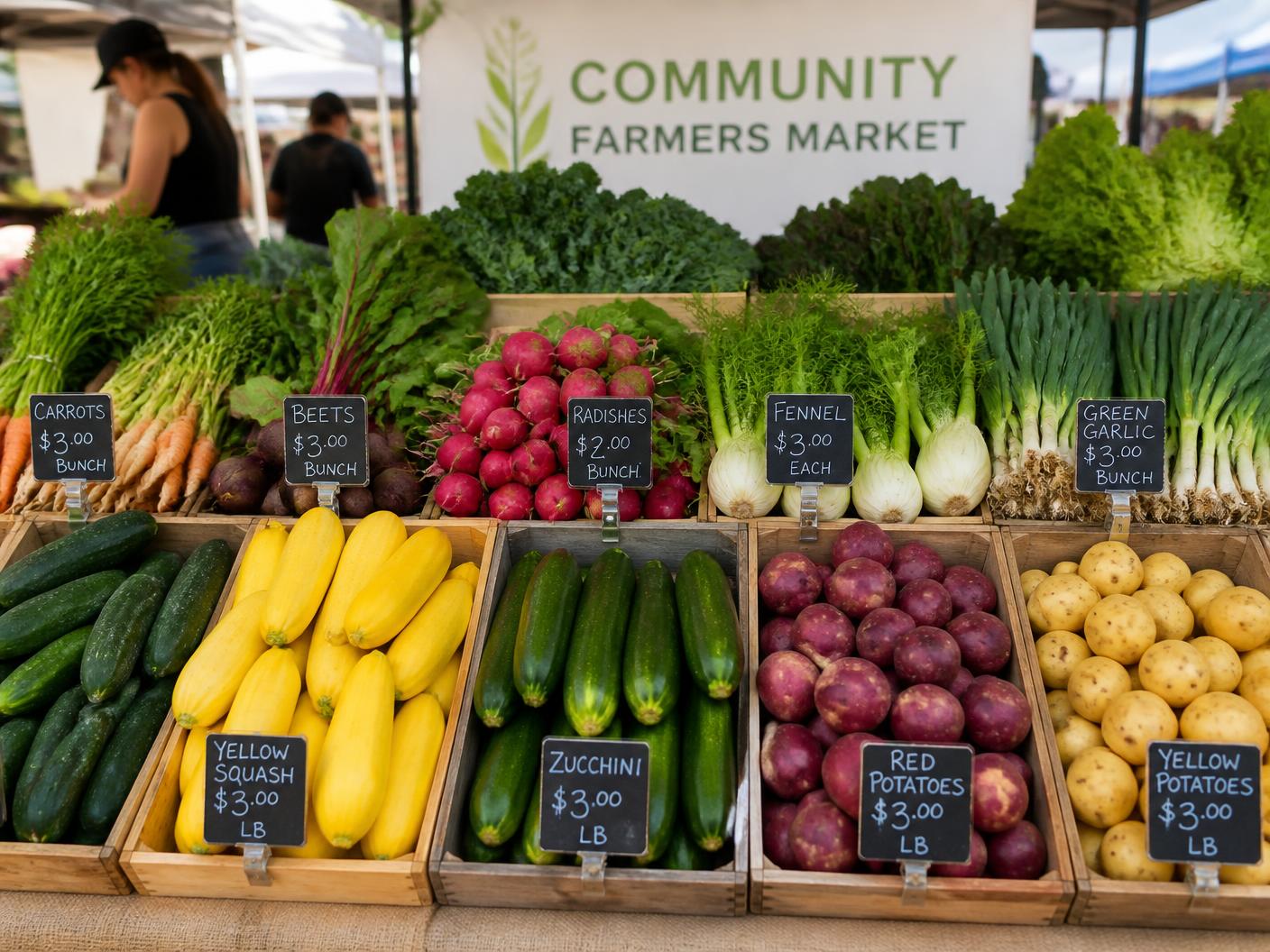
A produce prescription program looks simple on paper: a partner identifies a participant, the participant receives fruits and vegetables, and the household eats better. In practice, most of the difficulty sits in the connective tissue between those steps — who makes the referral, how the participant learns what to do next, and where the food is actually picked up.
Partner organizations rarely have spare capacity for a new workflow. When a referral requires a separate login, a paper form, or a phone call that lands in a voicemail box, volume stays near zero regardless of how generous the benefit is. Amana Healthcare's approach is to design the referral around what a partner already does during an existing conversation, and to confirm in writing who is responsible for each step.
Pickup site, day of week, and hours determine who can realistically participate. A distribution window that ends at 4:00 p.m. excludes most people working hourly shifts. A site that requires two bus transfers excludes households without a car. These constraints should be mapped with community partners before a pilot launches, not discovered in month three.
If participation drops, the first question is almost never about produce. It is about time, transportation, or trust.
A pilot that collects nothing cannot be improved or funded. A pilot that collects everything burns out the people running it. Amana Healthcare works with partners to select a short list of indicators tied directly to the program's logic model — typically referral volume, redemption rate, repeat participation, and participant-reported experience — and to define who collects each one and how it is stored.
Amana Healthcare can help partners map referral pathways, distribution logistics, and a measurement plan before a launch date is set.
This article is general educational and operational content about community health programming. It is not medical advice and does not describe regulated home healthcare services.
Keep reading
Nutrition Education
Sessions built around the food, budgets, and kitchens people already have consistently outperform generic curricula.
· 5 min read

Care Coordination
Most referrals to community programs are never confirmed. A shared definition of 'closed' is the cheapest fix available to partners.
· 6 min read
Partnership
Amana Healthcare collaborates with health systems, community organizations, agencies, and funders on prevention, nutrition, and community health initiatives.