
Nutrition and Prevention
In DevelopmentUsing Nutrition to Support Prevention and Community Health
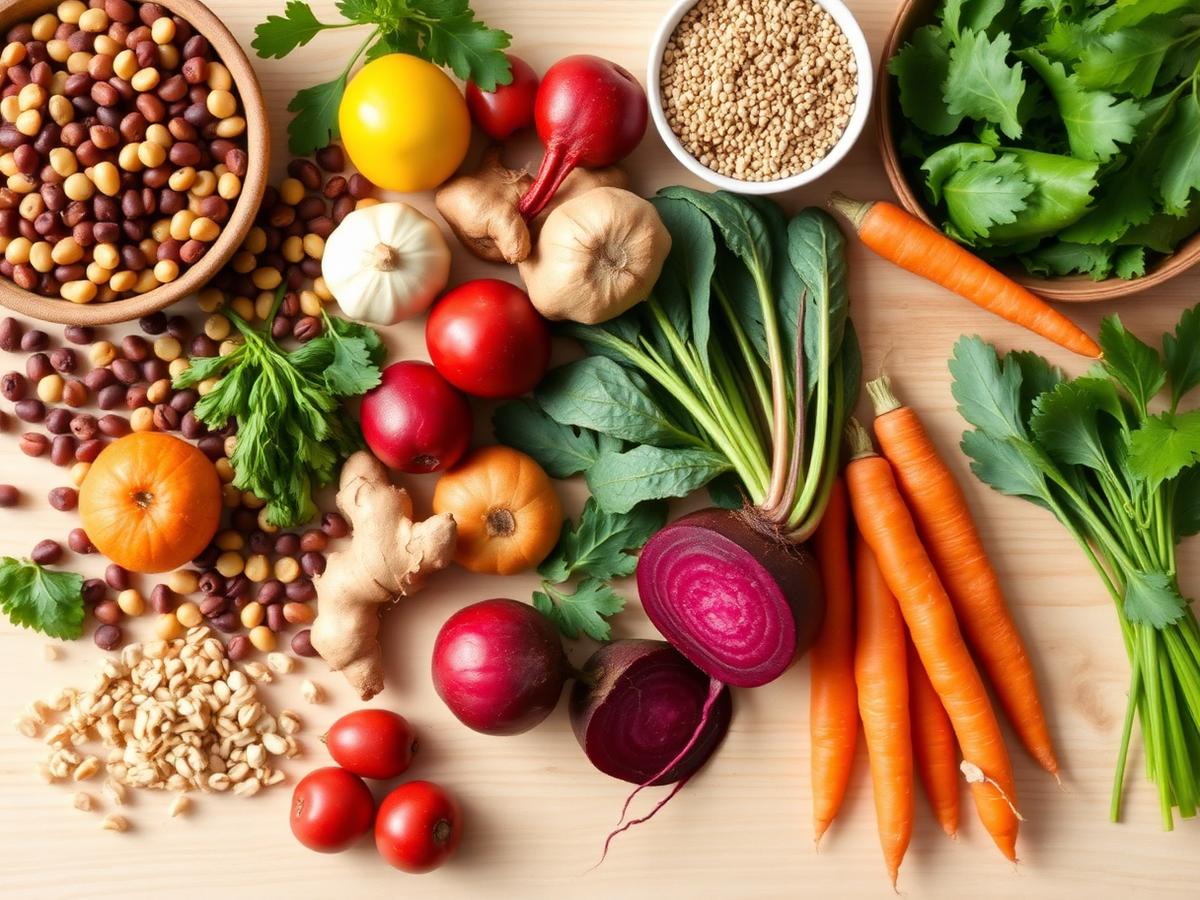
Amana Healthcare is developing a Food as Medicine initiative focused on connecting nutrition access, practical education, healthcare priorities, community partnerships, and prevention-focused support.
The initiative is intended to create coordinated pathways through which healthcare, food, funding, education, and community organizations can work together around nutrition-related needs.
- Geographic focus
- Maryland's Eastern Shore and surrounding communities
- Last reviewed
Current Priority
Identifying healthcare, nutrition, food-access, funding, community, and evaluation partners interested in designing a coordinated initiative.
Initiative Overview
Nutrition as Part of a Broader Health Strategy
Food as Medicine is an approach that recognizes the important relationship between nutrition, prevention, health risks, healthcare goals, and community well-being.
Depending on the program model, Food as Medicine initiatives may connect eligible individuals with nutritious food, produce benefits, medically informed nutrition resources, education, food-skills support, referral pathways, and community services.
Amana Healthcare's proposed role is to help partners organize these elements into a coordinated initiative with clear responsibilities, participant pathways, practical measures, and transparent limitations.
Nutrition Access
Connecting people with approved nutritious-food resources.
Education
Supporting practical food knowledge, preparation, and health literacy.
Healthcare Alignment
Developing appropriate referral and communication pathways with qualified healthcare partners.
Community Coordination
Connecting food, education, outreach, funding, and support organizations.
The Community Need
Nutrition Needs Often Extend Beyond the Clinical Setting
Healthcare professionals may identify nutrition-related risks or recommend dietary changes, but many individuals face practical barriers to acting on those recommendations.
Cost, transportation, food availability, cooking equipment, limited time, health literacy, cultural preferences, and fragmented community resources can all influence whether nutrition guidance is realistic and sustainable.
Food as Medicine initiatives may help create a bridge between healthcare priorities and the community systems that support food access, education, and ongoing engagement.
Amana Healthcare's initial focus is Maryland's Eastern Shore and surrounding communities, where rural distance and limited food retail options can compound these barriers.
Barriers this initiative may address
Cost of Nutritious Food
Nutritious options compete with other essential household costs.
Transportation
Distance and limited transit can make consistent food access difficult.
Food Availability
Some communities have few retailers stocking fresh options.
Limited Preparation Skills
Confidence and experience preparing foods vary widely.
Health Literacy
Nutrition guidance is not always clear or easy to apply.
Cultural Relevance
Available foods may not reflect household traditions or preferences.
Time and Scheduling
Work and caregiving schedules shape what is realistic.
Fragmented Referrals
Healthcare and food organizations often lack shared pathways.
Limited Cooking Resources
Appliances, storage, and kitchen space may be limited.
Inconsistent Follow-Up
Without follow-up, early engagement may not continue.
This section intentionally avoids prevalence figures and percentages. Statistics will be published only once specific, verified sources have been reviewed and cited.
Potential Participants
Potentially Designed for People Facing Nutrition-Related Barriers
Final eligibility criteria will depend on the initiative model, referral partners, funding requirements, geographic area, and available resources.
Geographic focus: Maryland's Eastern Shore and surrounding communities
These are possible design considerations, not final eligibility requirements. Enrollment is not currently open.
Possible eligibility considerations
- Experience food insecurity or limited nutritious-food access
- Have a nutrition-related health risk identified by a qualified partner
- Are referred through an approved healthcare or community organization
- Live within the approved program area
- May benefit from nutrition education or resource navigation
- Meet funding-specific requirements
Referral considerations
- Referral criteria would be developed jointly with healthcare and community partners
- Any referral pathway requires agreed privacy, consent, and data protections
Proposed Initiative Model
How a Food as Medicine Program Model May Work
This proposed logic model shows how community need, partners, activities, outputs, and intended outcomes may connect. Every element is subject to funding, partner agreements, and operational readiness.
Proposed model, described in sequence: nutrition-related risks, food-access barriers, and fragmented referrals create the need. Healthcare, food, education, community, funding, public-health, evaluation, and technology partners provide inputs. Proposed activities include referral pathways, food access, education, food-skills support, outreach, navigation, follow-up, and evaluation. Outputs include referrals, participant connections, education activities, resource connections, follow-up contacts, and partner meetings. Intended outcomes include improved food access, nutrition knowledge, confidence, reduced barriers, better referral coordination, and stronger partnerships.
Stage 1 of 5
Community Need
- Nutrition-related health risks
- Food-access barriers
- Fragmented referrals
- Limited support for putting nutrition recommendations into practice
Stage 2 of 5
Inputs and Partners
- Healthcare organizations
- Food-access partners
- Nutrition educators
- Community organizations
- Funders
- Public-health agencies
- Evaluation partners
- Technology partners
Stage 3 of 5
Proposed Activities
- Referral-pathway development
- Nutrition-resource connection
- Produce or food access
- Education
- Food-skills support
- Community outreach
- Participant communication
- Resource navigation
- Follow-up
- Evaluation
Stage 4 of 5
Proposed Outputs
- Referrals received
- Participants connected
- Education activities completed
- Food or produce resources accessed
- Resource connections made
- Follow-up contacts completed
- Partner meetings held
Stage 5 of 5
Intended Outcomes
- Improved access to nutritious food
- Increased nutrition knowledge
- Stronger confidence using available foods
- Reduced access barriers
- Improved referral coordination
- Greater use of community resources
- Stronger nutrition-focused partnerships
Proposed model, described in sequence: nutrition-related risks, food-access barriers, and fragmented referrals create the need. Healthcare, food, education, community, funding, public-health, evaluation, and technology partners provide inputs. Proposed activities include referral pathways, food access, education, food-skills support, outreach, navigation, follow-up, and evaluation. Outputs include referrals, participant connections, education activities, resource connections, follow-up contacts, and partner meetings. Intended outcomes include improved food access, nutrition knowledge, confidence, reduced barriers, better referral coordination, and stronger partnerships.
Proposed Journey
A Possible Participant Pathway
Step 1 of 6
Referral or Identification
A qualified healthcare or approved community partner identifies a possible nutrition-related need and shares information about the initiative.
Step 2 of 6
Eligibility Review
Partners review agreed criteria to determine whether the initiative is an appropriate fit within available capacity.
Step 3 of 6
Orientation
Participants would learn what the initiative offers, what it does not offer, and how information may be used.
Step 4 of 6
Food and Nutrition Resource Connection
Participants would be connected with approved food resources and relevant community services through partner organizations.
Step 5 of 6
Education and Support
Practical education and food-skills support would be delivered by qualified educators or partner organizations.
Step 6 of 6
Follow-Up and Evaluation
Follow-up contact would check whether connections were completed and what barriers remain, informing agreed measures.
The final journey will depend on funding, partner roles, approved eligibility, privacy requirements, food-access methods, and operational capacity.
Amana Healthcare's Proposed Role
Coordination, Design, and Implementation Support
Amana Healthcare's proposed contribution is organizational: convening partners, designing the initiative, and supporting practical implementation. Amana Healthcare does not prescribe diets, provide medical nutrition therapy, or deliver clinical services.
Partnership Coordination
Convening healthcare, food, funding, and community organizations around a shared model.
Initiative Design
Translating shared goals into a documented, workable initiative structure.
Referral-Pathway Development
Helping partners define who may be referred, how, and with what protections.
Community Outreach
Supporting outreach through trusted local organizations.
Nutrition-Education Coordination
Scheduling and coordinating education delivered by qualified professionals.
Resource Navigation
Helping participants understand and reach available community resources.
Participant Communication
Clear, accessible communication about what the initiative offers.
Documentation and Reporting
Documenting activities, outputs, and agreed measures for partners.
Implementation Support
Practical support for workflows, scheduling, logistics, and readiness.
Continuous Improvement
Reviewing feedback and barriers, and revising the model with partners.
Potential Partners
Roles Different Organizations May Contribute
Partner roles are illustrative. Actual responsibilities would be defined in written agreements before any implementation.
Healthcare Organizations
Potential contributions
- Hospitals and health systems
- FQHCs and community health centers
- Referral criteria and clinical oversight within their own scope
- Community health needs assessment priorities
Qualified Nutrition Partners
Potential contributions
- Registered dietitians and other qualified nutrition professionals
- Content accuracy review
- Delivery of any individualized nutrition service within their own licensure
- Educator training and supervision
Food Access Partners
Potential contributions
- Food banks and pantries
- Farms, markets, and produce vendors
- Grocery and food-retail partners
- Distribution, storage, and logistics capacity
Public Agencies and Nonprofits
Potential contributions
- Health departments
- Community nonprofits and coalitions
- Outreach through trusted local channels
- Alignment with existing public programs
Funders
Potential contributions
- Foundations and community-benefit programs
- Pilot or planning funding
- Support for staffing, food access, technology, or evaluation
- Reporting requirements and accountability structures
Universities and Evaluation Partners
Potential contributions
- Measure selection and study design
- Data collection and analysis support
- Interpretation of results with documented limitations
- Independent review of the initiative model
Technology Partners
Potential contributions
- Referral or benefit-tracking tools
- Secure data handling
- Accessible participant communication
- Reporting dashboards
Any individualized clinical nutrition service must be provided by appropriately qualified professionals operating within their own licensure. Amana Healthcare does not provide medical nutrition therapy.
Proposed Activities
What the Initiative May Include
All activities are proposed and depend on confirmed partners, funding, and capacity.
Referral-Pathway Development
Documented criteria, workflows, and privacy protections agreed with partners.
Food and Produce Access
Access delivered through approved food organizations and vendors.
Nutrition Education
Practical, reviewed education delivered by qualified educators.
Food-Skills Support
Preparation, storage, and planning support adapted to available resources.
Community Outreach
Awareness activities delivered with trusted community organizations.
Resource Navigation
Help understanding and reaching other community services.
Participant Communication
Accessible reminders, updates, and explanations of program limits.
Follow-Up and Evaluation
Agreed follow-up contacts and documentation of outputs and barriers.
Intended Outcomes
What the Initiative Would Aim to Achieve
All outcomes below are intended, not demonstrated. No results have been measured.
Short-term outcomes
- Increased awareness of nutrition resources
- Increased access to nutritious food
- Increased nutrition knowledge
- Stronger referral completion
- Increased participant engagement
Intermediate outcomes
- Greater use of available food resources
- Increased confidence preparing nutritious foods
- Reduced practical food-access barriers
- Improved partner coordination
- Improved program retention
Long-term outcomes
- Stronger prevention infrastructure
- More sustainable food-health partnerships
- More equitable nutrition access
- Improved community capacity
- A scalable partnership model
These are intended outcomes for a future initiative. Amana Healthcare has not measured or achieved these results.
Measurement and Evaluation
Measures That May Be Used
Measures would be selected with partners before implementation, alongside clear definitions, data responsibilities, and documented limitations.
Reach and referrals
- Referrals
- Eligibility reviews
- Enrollment
- Retention
Delivery
- Food-resource connections
- Produce or food redemption
- Education participation
- Follow-up completion
- Resource navigation
Experience and partnership
- Participant feedback
- Reported barriers
- Partner satisfaction
- Implementation milestones
Any clinical or health-related measures must be selected and interpreted with qualified healthcare or evaluation partners.
Health Equity and Accessibility
Access Considerations Built Into the Design
Equity considerations would shape locations, communication, scheduling, and food selection so that participation is realistic for the people the initiative is intended to support.
Rural Food Access
Distance and limited retail options in rural communities.
Transportation
Travel cost, distance, and limited transit options.
Language
Translation and interpretation for participant communication.
Disability Access
Accessible sites, materials, and formats.
Cultural Food Preferences
Foods that reflect household traditions.
Religious Dietary Needs
Respect for religious dietary practices.
Cooking Facilities
Appliance, storage, and kitchen limitations.
Work Schedules
Timing that fits shift and hourly work.
Family Responsibilities
Caregiving and childcare demands.
Technology Access
Device, data, and connectivity limitations.
Food Affordability
Ongoing affordability beyond program support.
Health Literacy
Plain-language, practical explanations.
Development Roadmap
Where the Initiative Stands Today
No launch date has been set. Phases advance only as partnerships and funding are confirmed.
Current phase
Community and Partner Discovery
- Conversations with healthcare, food, and community organizations
- Reviewing existing local nutrition efforts
- Identifying gaps a coordinated initiative could address
Current phase
Initiative Design
- Drafting the initiative model and partner roles
- Outlining referral, education, and food-access pathways
- Defining candidate measures with potential evaluators
Future phase
Funding and Partner Agreements
- Funding applications
- Written partner agreements
- Confirmed responsibilities and scope
Future phase
Operational Preparation
- Workflow documentation
- Privacy and consent processes
- Training and materials preparation
Future phase
Pilot Implementation
- Limited pilot with agreed partners
- Participant support and communication
- Documentation of activity and barriers
Future phase
Evaluation and Improvement
- Review of agreed measures
- Participant and partner feedback
- Documented changes to the model
Future phase
Sustainability Review
- Cost and capacity review
- Long-term funding options
- Decisions about continuation or scaling
Questions
Frequently Asked Questions
Connected Work
Related Initiatives
These initiatives are designed to reinforce one another across nutrition, prevention, coordination, and equity.
Nutrition and Food Access
Produce Rx
In Development
A collaborative approach connecting eligible individuals with fresh produce, nutrition support, healthcare referrals, and community resources.
Explore Produce RxNutrition and Food Access
Nutrition Education
Planning Phase
Practical, culturally responsive learning opportunities that support healthier food choices, confidence, and sustainable habits.
Explore Nutrition EducationCoordination and Navigation
Care Coordination and Resource Navigation
In Development
Helping connect individuals with relevant healthcare, nutrition, social-service, and community resources through organized referral pathways.
Explore Care Coordination and Resource NavigationHealth Equity
Health Equity
Ongoing Organizational Priority
Partnerships designed to reduce barriers and expand fair access to information, prevention, nutrition, healthcare connections, and community resources.
Explore Health Equity
Food as Medicine Partnership Opportunity
Help Build a Coordinated Food as Medicine Initiative
Amana Healthcare welcomes healthcare, nutrition, food-access, funding, public-health, community, and evaluation partners interested in developing a practical Food as Medicine model.
Partnership discussions are exploratory. No commitments, funding, or program availability are implied.