
Prevention and Wellness
Planning PhaseCommunity Prevention Work That Starts Long Before a Diagnosis
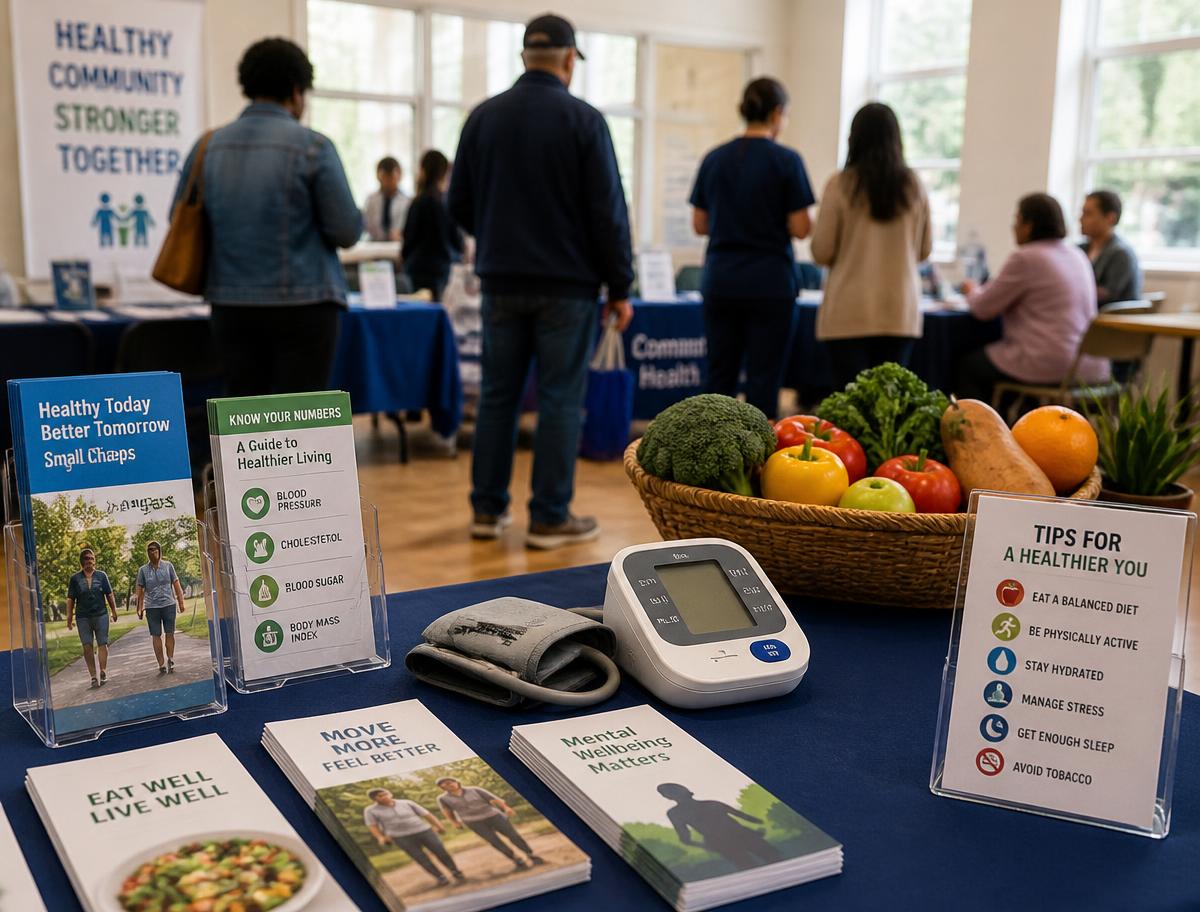
Amana Healthcare is planning a chronic disease prevention initiative built on community education, awareness, nutrition connections, and outreach in everyday settings.
Clinical screening, diagnosis, and treatment are led by licensed healthcare partners. Amana Healthcare's proposed contribution is the community-facing prevention work that helps people act on what those partners provide.
- Geographic focus
- Maryland's Eastern Shore and surrounding communities
- Last reviewed
Current Priority
Identifying public health agencies, healthcare organizations, community groups, and funders interested in a coordinated community prevention effort where clinical components stay partner-led.
What This Initiative Is—and Is Not
- This is community prevention education, awareness, nutrition connection, and outreach only.
- Amana Healthcare does not screen, diagnose, treat, or medically manage diabetes, hypertension, heart disease, or any other condition.
- Amana Healthcare does not provide skilled nursing, therapy, home health aide services, hospice care, remote monitoring, or chronic care management.
- Any screening or clinical service described here would be delivered by licensed healthcare partners under their own scope and supervision.
- Prevention education does not replace care provided or directed by qualified healthcare professionals.
Initiative Overview
Prevention Depends on What Happens Between Appointments
Most of what shapes chronic disease risk happens outside clinical settings: what food is available, whether moving around is practical and safe, whether information is understandable, and whether someone knows where to turn next.
Amana Healthcare's proposed role is to strengthen that community layer — clear education, awareness in familiar places, and practical connections to nutrition and community resources — while licensed partners handle every clinical component.
The intent is not to duplicate clinical prevention services, but to make them easier for community members to reach and act on.
Education, Not Diagnosis
Plain-language information about risk factors and prevention resources.
Nutrition Connection
Links to produce access and nutrition education programming.
Partner-Led Screening
Any screening is delivered by licensed healthcare partners.
Everyday Settings
Outreach where people already gather, not only in clinics.
Possible Focus Areas
Prevention Topics Under Discussion
These are candidate education and awareness topics, not a committed curriculum. Content would be reviewed by qualified partners before any delivery, and Amana Healthcare would not provide condition management.
Cardiovascular Risk Awareness
General education about modifiable risk factors and available resources.
Type 2 Diabetes Risk Awareness
Awareness of risk factors and where to seek partner-led assessment.
Nutrition and Food Access
Practical connections to produce access and nutrition education.
Physical Activity in Daily Life
Community-based, non-prescriptive movement opportunities.
Tobacco Cessation Resources
Information about cessation programs delivered by qualified providers.
Sleep and Stress Awareness
General education and connection to partner resources.
Preventive Care Awareness
Encouraging people to use preventive services their providers offer.
Medication Adherence Information
General information; medication decisions remain with prescribers.
Screening Awareness
Explaining what partner-led screening events involve and where to find them.
Caregiver Prevention Support
Education for family members supporting someone at risk.
Amana Healthcare does not provide medical advice. Any topic involving clinical judgment would be delivered or reviewed by appropriately licensed partners.
The Community Need
Preventable Conditions Carry a Heavy Local Burden
Chronic conditions such as hypertension, type 2 diabetes, and heart disease account for a large share of healthcare use and community hardship, and the risk factors behind them are shaped heavily by daily conditions.
In rural communities, prevention faces added friction: distance to providers, limited fresh food access, fewer safe places to be active, and prevention messaging that arrives without local context or trust.
On Maryland's Eastern Shore, distance, food access, and transportation limitations frequently compound one another, so a single-channel prevention campaign tends to reach the fewest people who need it most.
Barriers this initiative may address
Limited Fresh Food Access
Distance and cost make consistent healthy eating hard.
Distance to Providers
Preventive visits require significant travel time.
Transportation Gaps
No reliable way to reach appointments or events.
Cost Concerns
Worry about the cost of care discourages early action.
Health Literacy Barriers
Prevention information written for clinical audiences.
Few Safe Activity Options
Limited sidewalks, lighting, or accessible facilities.
Work and Caregiving Demands
Little time or flexibility for prevention activities.
Language and Cultural Fit
Materials that do not reflect community context.
Trust and Past Experience
Prior experiences that reduce engagement with health systems.
Fragmented Prevention Effort
Overlapping campaigns with limited coordination.
This section intentionally avoids prevalence figures and percentages. Statistics will be published only once specific, verified sources have been reviewed and cited.
Potential Participants
Who Prevention Programming May Reach
Priority populations would be identified with public health and healthcare partners using local data and community input, informed by capacity and funding.
Geographic focus: Maryland's Eastern Shore and surrounding communities
These are planning considerations, not final criteria. No prevention programming is currently operating and no enrollment is open.
Possible eligibility considerations
- Community members in areas with elevated chronic disease burden
- Households facing food access or transportation barriers
- Adults connected through partner outreach or community events
- Older adults and caregivers
- Participants in Amana Healthcare's nutrition and food access initiatives
- Residents of the approved service area
Referral considerations
- Prevention education is open by design; no clinical referral is required to attend
- Anyone with a clinical need or concerning screening result is directed to licensed partners
Proposed Initiative Model
How Prevention Programming May Work
This proposed model connects need, inputs, activities, outputs, and intended outcomes. Every element depends on partner agreements, content review, funding, and capacity.
Proposed model, described in sequence: the need arises from a high burden of preventable chronic conditions, limited fresh food and activity access, prevention information that is hard to use, and fragmented prevention effort. Inputs include public health agencies, healthcare organizations and clinicians, community and faith-based organizations, food access and nutrition partners, employers and schools, funders and evaluation partners, and reviewed education materials. Activities include community prevention education, awareness outreach in everyday settings, nutrition and food access connections, logistics support for partner-led screening events, resource connection, and partner coordination. Outputs include education sessions, outreach touchpoints, materials distributed, nutrition and food resource connections, partner-led screening events supported, and partners engaged. Intended outcomes include greater awareness of prevention resources, more education touchpoints, stronger connections to licensed partners, better coordination across prevention efforts, and documented community barriers.
Stage 1 of 5
Community Need
- High burden of preventable chronic conditions
- Limited fresh food and activity access
- Prevention information that is hard to use
- Fragmented, uncoordinated prevention effort
Stage 2 of 5
Inputs and Partners
- Public health agencies
- Healthcare organizations and clinicians
- Community and faith-based organizations
- Food access and nutrition partners
- Employers and schools
- Funders and evaluation partners
- Reviewed education materials
Stage 3 of 5
Proposed Activities
- Community prevention education
- Awareness outreach in everyday settings
- Nutrition and food access connections
- Logistics support for partner-led screening events
- Resource connection and follow-up information
- Partner coordination
Stage 4 of 5
Proposed Outputs
- Education sessions delivered
- Outreach touchpoints
- Materials distributed
- Connections made to nutrition and food resources
- Partner-led screening events supported
- Partner organizations engaged
Stage 5 of 5
Intended Outcomes
- Increased awareness of prevention resources
- More community touchpoints for prevention education
- Stronger connections to licensed partners for clinical follow-up
- Better coordination across local prevention efforts
- Documented barriers to prevention in the community
Proposed model, described in sequence: the need arises from a high burden of preventable chronic conditions, limited fresh food and activity access, prevention information that is hard to use, and fragmented prevention effort. Inputs include public health agencies, healthcare organizations and clinicians, community and faith-based organizations, food access and nutrition partners, employers and schools, funders and evaluation partners, and reviewed education materials. Activities include community prevention education, awareness outreach in everyday settings, nutrition and food access connections, logistics support for partner-led screening events, resource connection, and partner coordination. Outputs include education sessions, outreach touchpoints, materials distributed, nutrition and food resource connections, partner-led screening events supported, and partners engaged. Intended outcomes include greater awareness of prevention resources, more education touchpoints, stronger connections to licensed partners, better coordination across prevention efforts, and documented community barriers.
Proposed Journey
A Possible Community Prevention Pathway
Step 1 of 7
Awareness in a Familiar Setting
A community member encounters prevention information at an event, market, workplace, or partner organization.
Step 2 of 7
Plain-Language Education
Reviewed materials or a short session explain risk factors and what resources exist locally.
Step 3 of 7
Practical Connection
The person is connected to nutrition, food access, or community activity resources that fit their situation.
Step 4 of 7
Partner-Led Clinical Option
If screening or assessment is relevant, a licensed healthcare partner provides it and owns the result.
Step 5 of 7
Follow-Up Information
The person receives clear information about next steps and who to contact — from the responsible organization.
Step 6 of 7
Ongoing Community Support
Continued access to nutrition education and community wellness programming through partners.
Step 7 of 7
Feedback and Revision
Participant and partner feedback informs revisions to materials and delivery.
This pathway is proposed. Actual workflows depend on partner agreements, content review, staffing, funding, and clinical responsibility assignments.
Amana Healthcare's Proposed Role
Community Education, Outreach, and Coordination
Amana Healthcare's proposed contribution is community-facing and non-clinical: education, awareness, connection, logistics, and coordination. Every clinical element stays with licensed partners.
Prevention Education Materials
Plain-language, partner-reviewed materials in accessible formats.
Community Outreach
Presence at markets, events, workplaces, and partner sites.
Nutrition and Food Connections
Links to produce access and nutrition education programming.
Screening Event Logistics
Venue, outreach, and materials support for partner-led screening.
Resource Navigation Information
Non-clinical information about where to go next.
Partner Coordination
Aligning prevention efforts across local organizations.
Health Literacy Review
Testing materials for readability and cultural fit with community input.
Shared Measurement Support
Helping partners agree on reach and engagement measures.
Grant and Funding Support
Contributing program design and narrative to joint applications.
Barrier Documentation
Recording what prevents people from acting on prevention information.
Potential Partners
Roles Partner Organizations May Contribute
Public Health Agencies
Potential contributions
- Local prevalence and risk-factor data
- Evidence-based prevention guidance
- Alignment with existing public health campaigns
- Program review and technical assistance
Healthcare Organizations and Clinicians
Potential contributions
- All screening, assessment, diagnosis, and treatment
- Clinical review of education content
- Result communication and clinical follow-up
- Referral pathways within their own scope
Community and Faith-Based Organizations
Potential contributions
- Trusted messengers and familiar venues
- Outreach in preferred languages
- Recurring community touchpoints
- Feedback on message fit
Food Access and Nutrition Partners
Potential contributions
- Produce access and distribution
- Nutrition education delivery
- Culturally relevant food options
- Coordination on shared participants
Employers, Schools, and Community Institutions
Potential contributions
- Access to working adults and families
- Space and time for education sessions
- Environmental supports for healthier defaults
- Feedback on scheduling and format
Funders and Evaluation Partners
Potential contributions
- Funding for materials, translation, and outreach
- Measure selection and independent analysis
- Multi-year support beyond a single campaign
- Reporting requirements and review
Screening, diagnosis, treatment, and medical management remain the responsibility of appropriately licensed partner organizations.
Proposed Activities
What Prevention Programming May Include
Community Education Sessions
Short, plain-language sessions delivered in partner settings.
Awareness Outreach
Materials and conversations at markets, events, and workplaces.
Nutrition Resource Connections
Practical links to produce access and nutrition education.
Screening Event Support
Logistics and outreach for events clinically owned by partners.
Accessible Materials Development
Reviewed materials in plain language and multiple formats.
Community Activity Connections
Information about safe, local, non-prescriptive activity options.
Partner Coordination Meetings
Recurring alignment across local prevention efforts.
Barrier and Gap Documentation
Recording what stops people from acting on prevention information.
Clinical Boundaries
How Screening Collaborations Would Work
Community prevention events often include screening. To keep responsibilities unambiguous, these boundaries would be written into any partnership agreement before an event is held.
- Licensed healthcare partners own and staff every screening activity
- Amana Healthcare's role at a joint event is logistics, outreach, education, and materials
- Amana Healthcare staff do not perform measurements, interpret results, or advise on results
- Result communication and clinical follow-up stay with the licensed partner
- Any participant health data is held by the licensed partner, not by Amana Healthcare
- Written agreements name the responsible clinical entity for each activity
- Participant-facing materials state clearly who is providing what
- Escalation and referral pathways are documented before the event
Amana Healthcare does not collect, store, or process participant clinical data, and does not currently participate in any screening events.
Intended Outcomes
What Prevention Programming Would Aim to Achieve
All outcomes are intended. No results have been measured, and no reduction in disease incidence is claimed.
Short-term outcomes
- Increased awareness of local prevention resources
- More community touchpoints for prevention education
- Clearer understanding of where to seek partner-led assessment
- More connections to nutrition and food access resources
Intermediate outcomes
- Consistent prevention education delivered through partners
- Better coordination across local prevention campaigns
- Higher participation in partner-led screening events
- Documented barriers informing program revisions
Long-term outcomes
- A stronger community prevention infrastructure
- Prevention information that communities find usable and trustworthy
- Durable connections between community organizations and clinical partners
- Local evidence to guide prevention investment
Amana Healthcare will not claim that community education reduces disease incidence or improves clinical measures. Clinical outcomes belong to licensed partners and their own evaluation.
Measurement and Evaluation
Measures That May Be Used
Measures would be agreed with partners before implementation, with clear definitions, consent-aware data handling, and documented limitations. Amana Healthcare would measure reach and engagement, not clinical outcomes.
Reach and engagement
- Education sessions delivered
- Community members reached
- Materials distributed
- Settings and sites used
Connection
- Nutrition and food resource connections
- Partner-led screening events supported
- Resource information requests
- Referrals to partner organizations
Experience and barriers
- Participant feedback on clarity
- Barriers documented
- Partner feedback
- Material revisions made
Clinical measures such as blood pressure, A1C, or diagnosis rates are outside Amana Healthcare's scope and remain with licensed partners.
Health Equity and Accessibility
Prevention Information People Can Actually Use
Prevention messaging often reaches the people with the fewest barriers. These considerations are intended to shape format, language, timing, and venue from the start.
Plain Language
Materials written well below typical clinical reading levels.
Language Access
Translation and interpretation for community languages.
Non-Digital Formats
Print and in-person options for households without broadband.
Familiar Venues
Settings people already trust and visit.
Transportation
Locations reachable without a personal vehicle.
Flexible Timing
Sessions that work around shift work and caregiving.
Disability Access
Accessible venues, formats, and communication.
Cultural Relevance
Food, activity, and imagery that reflect the community.
No Cost or Judgment
Free participation with non-stigmatizing framing.
Realistic Suggestions
Guidance that accounts for income, time, and food availability.
Development Roadmap
Where the Initiative Stands Today
No prevention programming is operating. Phases advance only as partners, content review, and funding are confirmed.
Current phase
Partner Discovery
- Conversations with public health and healthcare partners
- Mapping existing prevention efforts
- Identifying coordination gaps
Current phase
Scope and Boundary Definition
- Documenting non-clinical scope
- Drafting screening responsibility boundaries
- Defining partner roles
Future phase
Content Development and Review
- Drafting education materials
- Clinical and public health review
- Health literacy and community testing
Future phase
Agreements and Funding
- Written partner agreements
- Clinical responsibility assignments
- Funding for materials and outreach
Future phase
Delivery Preparation
- Venue and scheduling arrangements
- Translation and accessible formats
- Staff and volunteer preparation
Future phase
Pilot Implementation
- Limited pilot with agreed partners
- Documentation of reach and barriers
- Regular partner review
Future phase
Evaluation and Improvement
- Review of agreed reach measures
- Participant and partner feedback
- Documented revisions
Questions
Frequently Asked Questions
Connected Work
Related Initiatives
These initiatives are designed to reinforce one another across nutrition, prevention, coordination, and equity.
Prevention and Wellness
Community Wellness
Concept and Partner Development
Education, engagement, outreach, and community-based opportunities that support healthier behaviors and environments.
Explore Community WellnessNutrition and Food Access
Food as Medicine
Partnership Opportunities Open
Partnership-based strategies that connect nutritious food, prevention, education, and healthcare priorities.
Explore Food as MedicineNutrition and Food Access
Nutrition Education
Planning Phase
Practical, culturally responsive learning opportunities that support healthier food choices, confidence, and sustainable habits.
Explore Nutrition EducationCommunity Engagement
Community Health Initiatives
Partnership Opportunities Open
Collaborative programs designed around local health priorities, community input, outreach, education, and prevention.
Explore Community Health Initiatives
Prevention Partnership Opportunity
Coordinate Prevention Work Across Your Community
Amana Healthcare welcomes public health agencies, healthcare organizations, community and faith-based groups, employers, schools, and funders interested in a coordinated community prevention effort with clearly separated clinical responsibility.
Conversations are exploratory. No services, screening, enrollment, or funding commitments are implied.