
Why Partner With Amana Healthcare
A Thoughtful Partner for Community Health Innovation
Amana Healthcare brings together healthcare understanding, community-health planning, partnership coordination, implementation discipline, and a commitment to practical, measurable progress.
We are building an organization designed to help partners move from an identified need or early-stage idea toward a clear, coordinated, and responsible initiative.
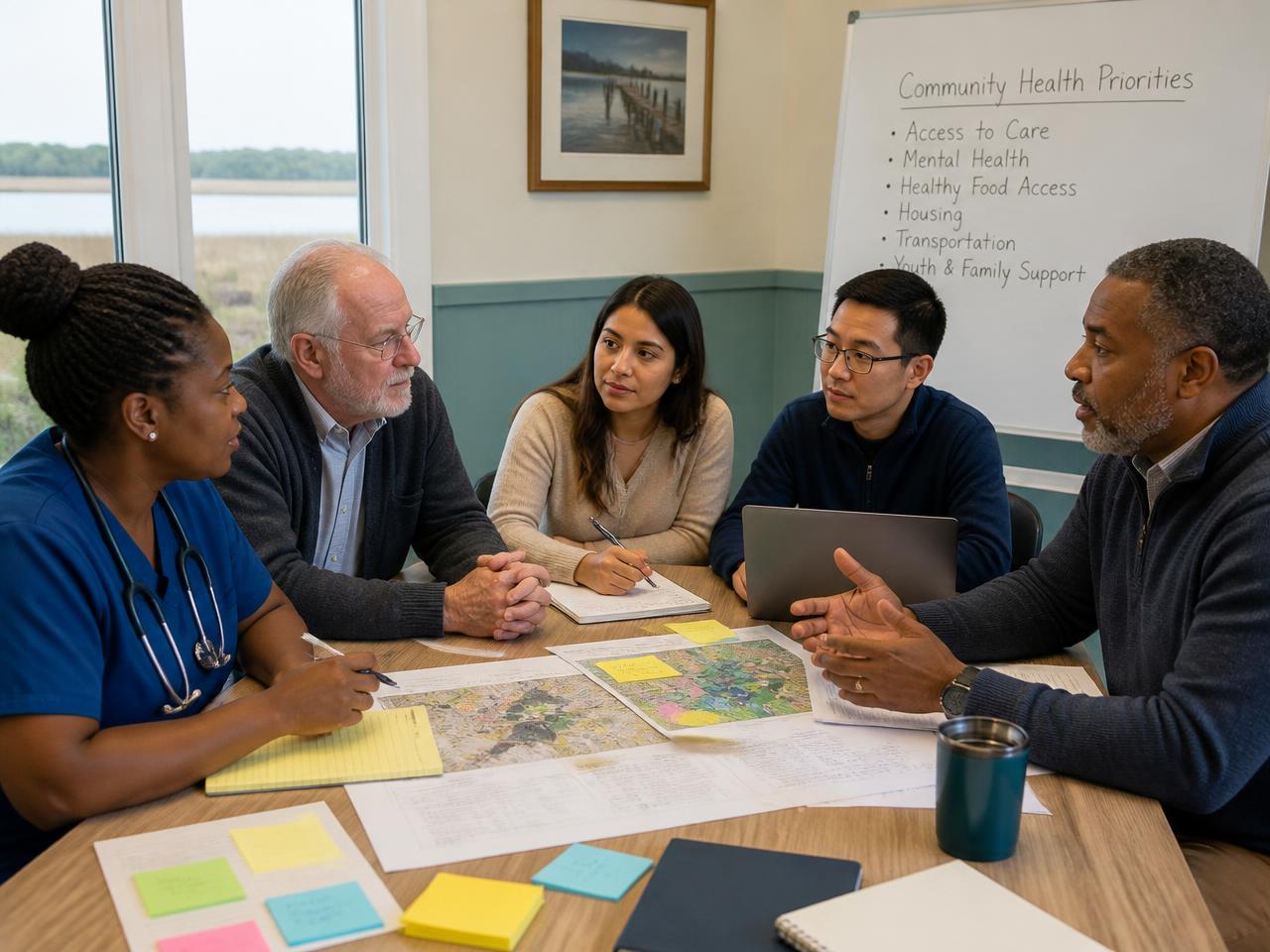
Built for Collaboration
Amana Healthcare welcomes exploratory conversations, pilot concepts, grant opportunities, implementation partnerships, and long-term community-health initiatives.
Our Partnership Perspective
Good Ideas Need More Than Good Intentions
Community-health initiatives often begin with a real need and a strong idea. The challenge is turning that idea into a workable model with clear roles, realistic timelines, appropriate partners, responsible workflows, sustainable resources, and meaningful measures.
Amana Healthcare is being developed to help support that transition — from need identification and partnership design through implementation planning, coordination, outreach, documentation, evaluation, and continuous improvement.
Our value is not simply in proposing ideas. It is in helping organize the people, responsibilities, and practical steps needed to move those ideas forward.
Practical
We focus on clear workflows, responsibilities, resources, and next steps.
Collaborative
We recognize that different organizations bring different strengths.
Transparent
We communicate honestly about readiness, capacity, risks, and limitations.
Outcomes-Oriented
We help define what progress should look like and how it may be measured.
What Amana Healthcare Brings
A Partnership Approach Built Around Clarity and Execution
Healthcare Understanding
Amana Healthcare is being developed with an understanding of healthcare operations, patient and community needs, prevention, care coordination, documentation, and the realities of implementation.
Community-Health Focus
We look beyond isolated services and consider how nutrition, education, access, trust, transportation, referral pathways, and community resources influence health.
Partnership Coordination
We help clarify who should be involved, what each organization may contribute, how communication should occur, and where accountability belongs.
Implementation Discipline
We focus on practical details such as workflows, timelines, roles, participant pathways, materials, reporting, staffing, and operational readiness.
Health-Equity Awareness
We consider how transportation, language, disability, rural access, technology, cost, culture, and trust may affect participation and outcomes.
Evaluation From the Beginning
We believe initiatives should define intended outcomes and practical measures before implementation begins.
Flexible Collaboration
Amana Healthcare can participate in early-stage planning, focused pilots, grant collaborations, implementation partnerships, or broader coalition efforts depending on scope and capacity.
Honest Growth
We are building carefully and do not claim services, results, partnerships, or capabilities that have not been verified.
Founder Perspective
Healthcare Experience Grounded in Practical Community Needs
Amana Healthcare was founded by Zenab Kone, a registered nurse and healthcare entrepreneur with a strong interest in prevention, community health, education, care coordination, healthcare operations, and practical system improvement.
The organization is being built from the perspective that better health requires stronger connections between healthcare systems, community organizations, food resources, education, and the people those systems are intended to support.
This perspective influences how Amana Healthcare approaches partnership design: with attention to both the human experience and the operational details required for responsible implementation.
Clinical Perspective
Understanding of health needs, healthcare communication, prevention, and coordination.
Operational Awareness
Attention to workflows, documentation, timelines, staffing, and implementation readiness.
Community Orientation
Recognition that local trust, access, culture, and available resources matter.
Entrepreneurial Mindset
Willingness to develop practical new models, test ideas responsibly, and improve over time.
Zenab Kone
Founder and Program Director
Portrait placeholder — an approved photograph of Zenab Kone will be added.
Community First
Programs Should Reflect the Communities They Are Meant to Serve
A program may be evidence-informed and still fail if it does not fit the local community. Transportation, language, trust, work schedules, cultural preferences, technology access, food availability, and community relationships can shape whether people participate and benefit.
Amana Healthcare's approach is to consider these realities early — before workflows, outreach strategies, materials, eligibility, and implementation plans are finalized.
Listen Before Designing
Gather input from community members, local organizations, and intended participants.
Respect Local Knowledge
Recognize that community partners understand local barriers, strengths, and history.
Build on Existing Resources
Connect and strengthen what already exists rather than duplicating services unnecessarily.
Reduce Participation Barriers
Consider transportation, language, schedules, disability access, technology, and cost.
Use Trusted Messengers
Work with organizations and individuals who already have community relationships.
Adapt and Improve
Use feedback and implementation experience to strengthen the initiative.
Community engagement should shape program design, not simply promote a program after it has already been created.
Execution Matters
Helping Turn a Community Need Into a Workable Initiative
Amana Healthcare's partnership approach is designed to help organize the steps between identifying a need and implementing a responsible initiative.
- Stage 1 of 7
Clarify the Need
Define the problem, target population, geographic area, barriers, existing resources, and desired outcome.
- Stage 2 of 7
Identify the Right Partners
Determine which organizations are needed for referrals, funding, outreach, food access, education, evaluation, technology, or implementation.
- Stage 3 of 7
Define the Model
Clarify activities, responsibilities, eligibility, workflows, participant experience, and intended outcomes.
- Stage 4 of 7
Confirm Feasibility
Review staffing, funding, locations, logistics, technology, agreements, privacy, risk, and regulatory needs.
- Stage 5 of 7
Prepare for Implementation
Develop workplans, materials, training, communication, reporting, and operational workflows.
- Stage 6 of 7
Coordinate Delivery
Support partner communication, milestone tracking, outreach, documentation, problem solving, and implementation consistency.
- Stage 7 of 7
Review and Improve
Evaluate participation, barriers, partner experience, operational quality, and opportunities for improvement.
How We Work With Partners
Clear Expectations Create Stronger Partnerships
- Principle 01
Defined Scope
Partners should agree on what is included, what is excluded, and what success looks like.
- Principle 02
Clear Roles
Each organization should understand its responsibilities, deliverables, authority, and limitations.
- Principle 03
Consistent Communication
Partners should establish communication channels, meeting schedules, decision processes, and escalation paths.
- Principle 04
Realistic Capacity
Plans should reflect available staffing, funding, infrastructure, timelines, and organizational readiness.
- Principle 05
Written Agreements
Responsibilities, payment terms, privacy, reporting, intellectual property, risk, and termination should be documented when appropriate.
- Principle 06
Community Respect
Implementation should reflect local culture, access needs, and community feedback.
- Principle 07
Measurable Progress
Partners should agree on practical indicators and review them consistently.
- Principle 08
Continuous Improvement
Challenges should be identified early and used to strengthen the initiative.
Transparent by Design
Credibility Begins With Honest Communication
Amana Healthcare believes strong partnerships require accurate claims, clear responsibilities, honest capacity assessments, timely communication, and documented follow-through.
We do not believe credibility should be created through inflated language, unsupported statistics, invented partnerships, or promises that cannot be guaranteed.
Trust is built not by appearing perfect, but by communicating clearly and following through responsibly.
Accurate Claims
We will distinguish between proposed activities, active work, intended outcomes, and verified results.
Clear Status
Initiatives should clearly state whether they are in development, planning, pilot, active, or evaluation.
Defined Limitations
We will identify services, resources, approvals, or capabilities that are not currently available.
Documented Responsibilities
Partner roles and expectations should be agreed upon and recorded.
Responsible Reporting
Progress reports should reflect actual implementation and available evidence.
Timely Escalation
Risks, delays, and barriers should be communicated before they become larger problems.
Grant and Pilot Collaboration
A Practical Partner for Early-Stage Opportunities
Many community-health opportunities begin with a grant notice, a hospital community-benefit priority, a foundation interest area, a public-health need, or a partner seeking to test a new model.
Amana Healthcare welcomes discussions about early-stage concepts and may support planning, partner coordination, implementation design, community engagement, documentation, operations, reporting, and continuous improvement depending on the opportunity.
Amana Healthcare does not claim a grant history, does not guarantee funding or project success, and is not a professional grant-writing firm. Participation always depends on scope, capacity, and funding terms.
Potential contributions
Need and Population Definition
Clarify the community need, target population, barriers, geographic area, and intended impact.
Logic Model Development
Help connect inputs, activities, outputs, and intended outcomes.
Partner Mapping
Identify which organizations and roles may be needed.
Workplan Development
Create practical timelines, milestones, responsibilities, and implementation steps.
Community Engagement
Support outreach planning, local input, trust building, and accessibility.
Implementation Coordination
Organize communication, workflows, documentation, and partner alignment.
Reporting Support
Support approved deliverables, progress summaries, and implementation documentation.
Improvement Planning
Review barriers, feedback, early performance, and sustainability needs.
Health Equity
Equitable Access Requires Intentional Design
Health equity is not achieved simply by offering the same program to everyone. People may face different barriers to access, participation, trust, transportation, technology, language, food, education, and follow-up.
Amana Healthcare seeks to help partners identify these barriers early and consider practical ways to reduce them within the available scope and resources.
Transportation
Distance, vehicle access, and transit availability may determine who can participate.
Rural Access
Service locations, broadband, and travel time differ across Eastern Shore communities.
Disability Access
Venues, materials, and communication should be usable by participants with disabilities.
Language Access
Translation, interpretation, and plain-language materials may be needed.
Health Literacy
Instructions, eligibility, and follow-up steps should be understandable without clinical vocabulary.
Cultural Responsiveness
Food preferences, traditions, and community norms should shape program content.
Technology Access
Devices, data plans, and digital confidence vary among intended participants.
Work and Family Schedules
Hours, childcare, and caregiving responsibilities affect attendance and follow-through.
Cost Barriers
Fees, transportation costs, and lost wages can quietly exclude eligible participants.
Community Trust
Prior experience with institutions shapes willingness to enroll and stay engaged.
The appropriate solution will differ by community, initiative, partner capacity, and available funding. No initiative can eliminate every barrier.
Credibility and Boundaries
What You Can Expect From Amana Healthcare
What Amana Healthcare Will Do
- Amana Healthcare will: Communicate honestly about capacity
- Amana Healthcare will: Clarify proposed and active work
- Amana Healthcare will: Define roles and responsibilities
- Amana Healthcare will: Support practical planning
- Amana Healthcare will: Consider community barriers
- Amana Healthcare will: Develop measurable objectives
- Amana Healthcare will: Document implementation needs
- Amana Healthcare will: Raise risks and limitations
- Amana Healthcare will: Improve based on feedback
- Amana Healthcare will: Follow approved agreements and scope
What Amana Healthcare Will Not Do
- Amana Healthcare will not: Invent partners, results, or experience
- Amana Healthcare will not: Claim licenses or approvals not yet obtained
- Amana Healthcare will not: Guarantee funding
- Amana Healthcare will not: Guarantee clinical outcomes
- Amana Healthcare will not: Hide major implementation barriers
- Amana Healthcare will not: Use unsupported statistics
- Amana Healthcare will not: Present proposed initiatives as active
- Amana Healthcare will not: Accept responsibilities outside approved capacity
- Amana Healthcare will not: Misrepresent community engagement
- Amana Healthcare will not: Present stock images as real staff or partners
Future services and capabilities may be added only when appropriate licensing, staffing, insurance, infrastructure, systems, and approvals are in place.
Partnership Fit
Amana Healthcare May Be a Good Fit When Your Organization Needs…
A Community Implementation Partner
For initiatives that require local coordination, outreach, participant support, or operational follow-through.
A Partnership Coordinator
For projects involving several organizations with different responsibilities.
An Early-Stage Planning Partner
For concepts that need clearer scope, partners, workflows, and intended outcomes.
A Produce Rx or Nutrition Partner
For initiatives connecting healthcare, food access, education, prevention, and community support.
A Community Outreach Partner
For programs that require trusted communication, engagement, and local relationships.
A Resource-Navigation Partner
For initiatives seeking better referral pathways and connections to community resources.
A Grant Implementation Collaborator
For funded or proposed initiatives requiring workplans, documentation, coordination, and reporting support.
A Continuous-Improvement Partner
For organizations that want to review implementation barriers and strengthen a pilot or program over time.
A Partnership May Not Yet Be Ready When:
- The scope is unclear and no organization can define the intended goal.
- Required funding or staffing is unavailable.
- Necessary licenses or approvals have not been obtained.
- Partner roles are fundamentally misaligned.
- The requested responsibility exceeds Amana Healthcare's approved capacity.
- The timeline does not allow responsible planning.
- The opportunity depends on unsupported claims or guaranteed outcomes.
In some cases, the best next step may be additional planning, partner development, regulatory review, or resource confirmation before formal implementation begins.
Questions
Frequently Asked Questions
Still weighing whether Amana Healthcare is the right partner? Send an inquiry and we can work through the fit together.
Ready to begin? Submit a partnership inquiry.
A Better Way to Build Together
Bring Us the Need, the Idea, or the Opportunity
Amana Healthcare welcomes conversations with organizations seeking a thoughtful, transparent, and implementation-focused community-health partner.
Early-stage concepts, grant opportunities, pilot ideas, and established initiatives are welcome.