
Prevention and Wellness
Future InitiativeMaking Healthier Choices Easier in Everyday Community Life
Amana Healthcare is developing a community wellness initiative focused on education, engagement, and community settings where healthier choices become more practical rather than more demanding.
The initiative is at the concept and partner development stage. It centers on shared community activities and environments, not on individual health programs or clinical services.
- Geographic focus
- Maryland's Eastern Shore and surrounding communities
- Last reviewed
Current Priority
Identifying community organizations, parks and recreation partners, schools, employers, and funders interested in shaping community wellness activities and healthier community environments.
What This Initiative Is—and Is Not
- This is community education, engagement, and environment-level wellness support only.
- Amana Healthcare does not provide personal training, exercise prescription, physical or occupational therapy, or rehabilitation services.
- Amana Healthcare does not provide medical advice, diagnosis, treatment, weight-loss programs, or individualized health plans.
- Amana Healthcare does not provide skilled nursing, home health aide services, or hospice care.
- Community wellness activities do not replace care or guidance from qualified healthcare professionals, and participants are encouraged to consult their own providers before changing activity levels.
Initiative Overview
Wellness Is Shaped by Surroundings, Not Willpower
Whether someone can walk safely, find fresh food nearby, join a free community activity, or reach a park has more to do with their surroundings than their motivation.
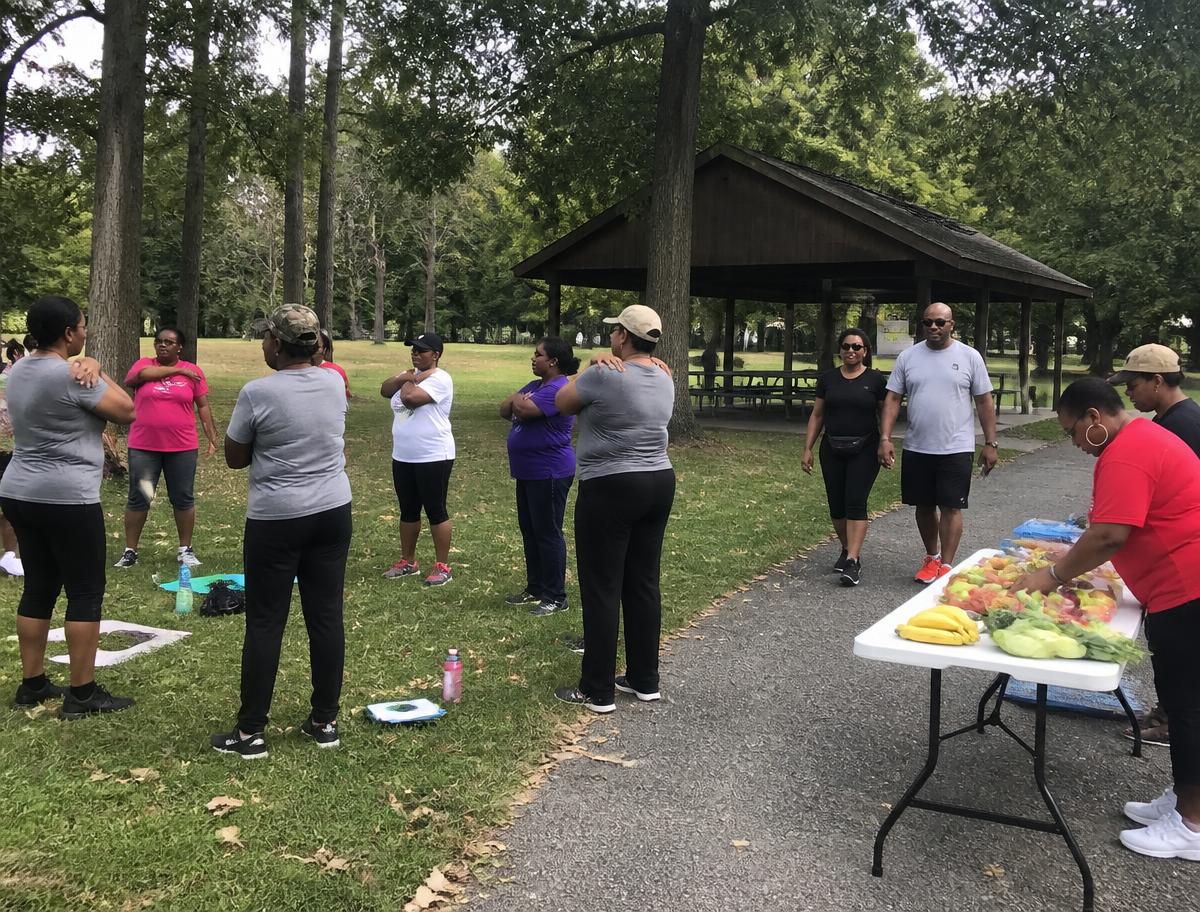
Amana Healthcare's proposed role is to work with community organizations on shared activities and community environments that make healthier options genuinely easier — in familiar places, at no cost, without clinical framing.
The concept is deliberately community-level: shared events, walkable routes, healthier defaults at community gatherings, and connection to nutrition programming. It is not an individual wellness plan.
Community-Level, Not Individual
Shared activities and settings rather than personal health plans.
No Cost to Participate
Free, open community activities hosted with partners.
Familiar Places
Parks, community centers, schools, and gathering spaces.
Locally Owned
Activities designed to continue with local partners over time.
Concept Ideas
Activities and Supports Under Discussion
These are ideas at concept stage, offered to start conversations with partners. None is a committed activity, and community members would help decide what is actually worth doing.
Community Walking Groups
Free, partner-hosted group walks on accessible local routes.
Community Garden Collaboration
Supporting existing garden projects and produce sharing.
Healthy Cooking Demonstrations
Community demonstrations linked to nutrition education programming.
Family and Youth Activity Events
Intergenerational, low-barrier community activity days.
Healthier Defaults at Community Events
Working with hosts on water, produce, and healthier options.
Older Adult Movement Activities
Gentle, partner-led activities in accessible community venues.
Farmers Market Engagement
Presence and education at local markets alongside food partners.
Community Environment Improvements
Advocacy and support for walkability, lighting, and shade with local authorities.
Workplace Wellness Collaboration
Supporting employers who want practical, non-clinical wellness options.
Faith Community Wellness
Activities designed with and hosted by faith communities.
Any activity involving clinical judgment, exercise prescription, or individual health guidance would be delivered by appropriately qualified partners, not by Amana Healthcare.
The Community Need
Healthier Options Are Often the Harder Options
In many communities, the healthier choice takes more time, money, and planning than the alternative. Sidewalks end, recreation costs money, fresh food is a drive away, and free community activities are scarce.
Existing wellness offerings also tend to assume a car, disposable income, daytime availability, and comfort in gym or clinical settings — which quietly excludes many of the people who would benefit most.
Rural distance on Maryland's Eastern Shore means recreation access, transportation, and food access limitations often overlap in the same communities.
Barriers this initiative may address
Limited Safe Walking Routes
Missing sidewalks, lighting, and shade.
Cost of Recreation
Gym and program fees put options out of reach.
Distance to Facilities
Recreation venues require significant travel.
Transportation Gaps
No reliable way to reach activity sites.
Time and Caregiving Demands
Shift work and caregiving leave little flexibility.
Few Free Community Activities
Limited no-cost options in familiar settings.
Discomfort in Gym Settings
Environments that feel unwelcoming or intimidating.
Accessibility Limitations
Venues and activities that exclude people with disabilities.
Fresh Food Access
Nutrition options that are far away or unaffordable.
Social Isolation
Fewer shared community activities to join.
This section intentionally avoids prevalence figures and percentages. Statistics will be published only once specific, verified sources have been reviewed and cited.
Potential Participants
Who Community Wellness Activities May Reach
Community wellness activities are intended to be open and low-barrier. Priority communities and settings would be identified with local partners and community input.
Geographic focus: Maryland's Eastern Shore and surrounding communities
These are concept-stage considerations, not final criteria. No community wellness activities are currently operating and no enrollment is open.
Possible eligibility considerations
- Community members of all ages in participating communities
- Households with limited access to recreation or fresh food
- Older adults and caregivers
- Families and young people through school and youth partners
- Working adults through employer and faith community partners
- Residents of the approved service area
Referral considerations
- No referral, enrollment, or health assessment is required to join an open community activity
- Anyone with a clinical question or concern is encouraged to consult their own healthcare provider
Proposed Initiative Model
How Community Wellness May Work
This proposed model connects need, inputs, activities, outputs, and intended outcomes. Every element depends on partner interest, hosting capacity, safety arrangements, and funding.
Proposed model, described in sequence: the need arises from healthier options costing more time and money, limited safe and free places to be active, few low-barrier community activities, and social isolation. Inputs include community organizations and centers, parks and recreation partners, schools and youth organizations, employers and faith communities, food access and nutrition partners, local government and planning partners, and funders. Activities include partner-hosted community activities, walking groups, cooking and nutrition demonstrations, healthier defaults at community events, community environment advocacy, and outreach. Outputs include activities hosted, community members participating, sites used, partners engaged, environment improvements advocated, and community feedback collected. Intended outcomes include more free accessible activity options, stronger social connection, community settings that make healthier choices easier, local partners able to sustain activities, and documented barriers.
Stage 1 of 5
Community Need
- Healthier options that cost more time and money
- Limited safe, free places to be active
- Few low-barrier community activities
- Social isolation and limited shared activity
Stage 2 of 5
Inputs and Partners
- Community organizations and centers
- Parks and recreation partners
- Schools and youth organizations
- Employers and faith communities
- Food access and nutrition partners
- Local government and planning partners
- Funders
Stage 3 of 5
Proposed Activities
- Partner-hosted community activities
- Walking groups on accessible routes
- Cooking and nutrition demonstrations
- Healthier defaults at community events
- Community environment advocacy
- Outreach and community engagement
Stage 4 of 5
Proposed Outputs
- Activities hosted with partners
- Community members participating
- Sites and settings used
- Partner organizations engaged
- Environment improvements advocated
- Community feedback collected
Stage 5 of 5
Intended Outcomes
- More free, accessible community activity options
- Stronger social connection through shared activity
- Community settings that make healthier choices easier
- Local partners equipped to sustain activities
- Documented barriers to community wellness
Proposed model, described in sequence: the need arises from healthier options costing more time and money, limited safe and free places to be active, few low-barrier community activities, and social isolation. Inputs include community organizations and centers, parks and recreation partners, schools and youth organizations, employers and faith communities, food access and nutrition partners, local government and planning partners, and funders. Activities include partner-hosted community activities, walking groups, cooking and nutrition demonstrations, healthier defaults at community events, community environment advocacy, and outreach. Outputs include activities hosted, community members participating, sites used, partners engaged, environment improvements advocated, and community feedback collected. Intended outcomes include more free accessible activity options, stronger social connection, community settings that make healthier choices easier, local partners able to sustain activities, and documented barriers.
Proposed Journey
How a Community Wellness Activity Would Come Together
Step 1 of 7
Community Conversation
Residents and partners describe what they would actually join, and what has not worked before.
Step 2 of 7
Host Partner Identification
A local organization willing to host and supervise the activity is identified.
Step 3 of 7
Accessibility and Safety Planning
Venue, route, timing, seating, and safety procedures are planned with the host.
Step 4 of 7
Open Invitation
The activity is promoted through trusted local channels at no cost to participants.
Step 5 of 7
Self-Paced Participation
People join at their own pace, with no assessment, registration burden, or performance expectation.
Step 6 of 7
Feedback and Adjustment
Participants and hosts say what to change, and the activity is adjusted.
Step 7 of 7
Local Ownership
The hosting partner continues the activity with Amana Healthcare in a supporting role.
This pathway is proposed. Actual activities depend on partner interest, hosting capacity, safety and insurance arrangements, and funding.
Amana Healthcare's Proposed Role
Convening, Design Support, and Community Engagement
Amana Healthcare's proposed contribution is organizing, connecting, and supporting — never clinical instruction or individualized guidance. Hosting partners own on-site delivery and supervision.
Partner Convening
Connecting organizations willing to host community activities.
Activity Design Support
Helping design low-barrier, accessible, no-cost activities.
Community Engagement
Asking community members what they would actually join.
Accessibility Planning
Reviewing venues, routes, timing, and formats for barriers.
Education Materials
Plain-language wellness and nutrition information for partner use.
Nutrition Initiative Connection
Linking activities to produce access and nutrition education.
Environment Advocacy Support
Supporting partners advocating for walkability and community amenities.
Coordination and Scheduling
Reducing conflicts and duplication across local activities.
Grant and Funding Support
Contributing design and narrative content to joint applications.
Feedback and Documentation
Collecting participation feedback and documenting barriers.
Potential Partners
Roles Partner Organizations May Contribute
Community Organizations and Centers
Potential contributions
- Hosting and supervising activities
- Accessible indoor and outdoor space
- Trusted local relationships
- Ongoing local ownership of activities
Parks, Recreation, and Local Government
Potential contributions
- Parks, trails, and recreation facilities
- Walkability, lighting, and shade improvements
- Permits and site coordination
- Long-term community environment planning
Schools and Youth Organizations
Potential contributions
- Access to families and young people
- Gymnasiums, fields, and meeting space
- Intergenerational activity opportunities
- Feedback on age-appropriate formats
Employers and Faith Communities
Potential contributions
- Access to working adults and congregations
- Space and time for activities
- Healthier defaults at gatherings and events
- Sustained participation over time
Food Access and Nutrition Partners
Potential contributions
- Produce access at community activities
- Cooking demonstrations and nutrition education
- Culturally relevant food options
- Coordination on shared participants
Funders and Evaluation Partners
Potential contributions
- Funding for supplies, translation, and staffing
- Support for accessibility improvements
- Measure selection and analysis
- Multi-year support so activities outlast a pilot
Exercise prescription, therapy, rehabilitation, and any clinical service remain the responsibility of appropriately licensed or credentialed partners.
Proposed Activities
What Community Wellness May Include
Partner-Hosted Walking Groups
Free, self-paced group walks on accessible local routes.
Community Activity Days
Low-barrier, intergenerational activity events in familiar settings.
Cooking and Nutrition Demonstrations
Community demonstrations tied to nutrition education programming.
Garden and Produce Collaboration
Support for existing community gardens and produce sharing.
Healthier Event Defaults
Working with hosts on water and produce availability at gatherings.
Older Adult Activities
Gentle, partner-led activities in accessible venues with seating.
Community Environment Advocacy
Supporting local efforts on walkability, lighting, and shade.
Feedback and Barrier Documentation
Recording what keeps people from participating.
Participant Safety
Safety Practices Any Activity Would Require
Community activity carries real responsibilities. These practices would be settled with hosting partners before any activity is offered.
- Clear written statement that activities are not medical or therapeutic services
- Encouragement to consult a personal healthcare provider before changing activity levels
- Self-paced participation with no performance expectations
- Accessible route and venue selection, including seating and rest options
- Named hosting organization responsible for on-site supervision
- Emergency contact and response procedures documented in advance
- Appropriate insurance and liability arrangements held by hosting partners
- Weather, heat, and daylight considerations for outdoor activities
Amana Healthcare does not supervise clinical care, provide first aid services, or assess participant fitness. Amana Healthcare collects no participant health information.
Intended Outcomes
What Community Wellness Would Aim to Achieve
All outcomes are intended. No results have been measured, and no clinical or fitness outcomes are claimed.
Short-term outcomes
- More free, accessible community activity options
- Community members participating who face cost or access barriers
- Stronger relationships among hosting organizations
- Documented community preferences for activity types
Intermediate outcomes
- Activities recurring reliably rather than one-off events
- Healthier defaults adopted at community events
- Better coordination across local wellness offerings
- Community feedback visibly changing activity design
Long-term outcomes
- Community settings where healthier choices are easier by default
- Local partners sustaining activities independently
- Stronger social connection and reduced isolation
- Local evidence to support community environment investment
Amana Healthcare will not claim improvements in fitness, weight, or clinical measures. Community wellness activities are not a treatment or a substitute for healthcare.
Measurement and Evaluation
Measures That May Be Used
Measures would be agreed with partners before implementation, with clear definitions and documented limitations. Amana Healthcare would measure participation and access, not individual health outcomes.
Participation and reach
- Activities hosted
- Participants per activity
- Repeat participation
- Sites and settings used
Access and environment
- No-cost options available
- Accessibility features in place
- Environment improvements advocated
- Transportation barriers addressed
Experience and sustainability
- Participant feedback
- Host partner feedback
- Activities continued by partners
- Barriers documented
No individual health, fitness, or clinical measurement is performed, and Amana Healthcare collects no participant health information.
Health Equity and Accessibility
Designing Activities Nobody Has to Qualify For
Wellness programming frequently reaches people who already have time, money, transportation, and confidence in fitness settings. These considerations are meant to change who a community activity actually serves.
No Cost
Free participation with no membership or fee.
Accessible Venues and Routes
Surfaces, seating, restrooms, and step-free access.
Adaptable Activities
Formats that work for varied abilities and mobility.
Transportation
Locations reachable on foot or by transit.
Flexible Timing
Times that fit shift work and caregiving.
Language Access
Invitations and materials in community languages.
Familiar, Welcoming Settings
Community places rather than gym or clinical environments.
Non-Judgmental Framing
No weight, performance, or appearance focus.
Family Inclusion
Activities caregivers can bring children to.
Cultural Relevance
Activities and food reflecting community traditions.
Development Roadmap
Where the Initiative Stands Today
No community wellness activities are operating. This initiative is at concept stage and advances only as partners and funding are confirmed.
Current phase
Concept and Community Interest
- Conversations about what communities would join
- Mapping existing local activity options
- Identifying gaps in free options
Current phase
Host Partner Discovery
- Identifying organizations willing to host
- Reviewing available venues and routes
- Discussing supervision responsibilities
Future phase
Safety, Accessibility, and Agreements
- Safety and emergency procedures
- Insurance and liability arrangements
- Accessibility review of venues and routes
Future phase
Funding and Supplies
- Funding for supplies and staffing
- Translation and accessible materials
- Produce and nutrition partner coordination
Future phase
Pilot Activities
- A small number of pilot activities with host partners
- Participation and barrier documentation
- Participant and host feedback
Future phase
Review and Adjustment
- Review of participation measures
- Adjustments to format, timing, and venues
- Documented revisions
Future phase
Local Ownership and Scaling
- Transition of recurring activities to host partners
- Expansion to additional communities
- Support for environment improvements
Questions
Frequently Asked Questions
Connected Work
Related Initiatives
These initiatives are designed to reinforce one another across nutrition, prevention, coordination, and equity.
Prevention and Wellness
Chronic Disease Prevention
Planning Phase
Community strategies supporting education, nutrition, screening partnerships, health awareness, and risk reduction.
Explore Chronic Disease PreventionCommunity Engagement
Community Health Initiatives
Partnership Opportunities Open
Collaborative programs designed around local health priorities, community input, outreach, education, and prevention.
Explore Community Health InitiativesNutrition and Food Access
Nutrition Education
Planning Phase
Practical, culturally responsive learning opportunities that support healthier food choices, confidence, and sustainable habits.
Explore Nutrition EducationHealth Equity
Health Equity
Ongoing Organizational Priority
Partnerships designed to reduce barriers and expand fair access to information, prevention, nutrition, healthcare connections, and community resources.
Explore Health Equity
Community Wellness Partnership Opportunity
Help Shape Wellness Activities Your Community Will Actually Join
Amana Healthcare welcomes community organizations, parks and recreation partners, schools, employers, faith communities, and funders interested in free, accessible community wellness activities and healthier community environments.
Conversations are exploratory. No activities, services, enrollment, or funding commitments are implied.