
Community and Population Health
Partnership Opportunities OpenCommunity Health Programs Designed With the Communities They Serve
Amana Healthcare is developing collaborative community health initiatives shaped by local priorities, local data, and the people who live in the communities involved.
Rather than importing a fixed program, Amana Healthcare works with agencies, coalitions, healthcare organizations, and community groups to design programming that fits the place it serves.
- Geographic focus
- Maryland's Eastern Shore and surrounding communities
- Last reviewed
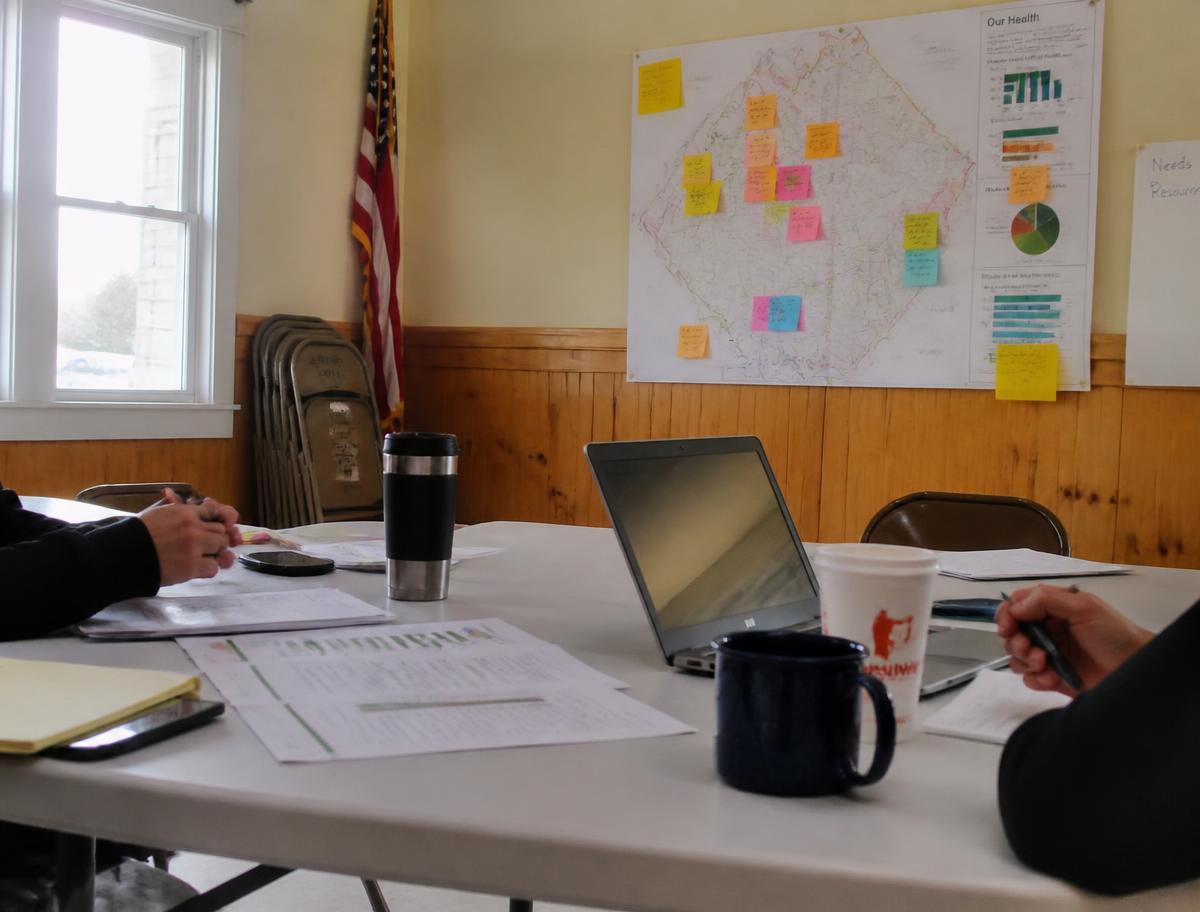
Current Priority
Identifying local agencies, coalitions, healthcare organizations, community groups, and funders interested in co-designing community health programming on Maryland's Eastern Shore.
What This Initiative Is—and Is Not
- This is community and population health programming: outreach, education, coordination, and community engagement.
- Amana Healthcare does not provide skilled nursing, physical, occupational, or speech therapy, home health aide services, or hospice care.
- Amana Healthcare does not diagnose, treat, or medically manage any condition.
- Any clinical component of a joint program would be delivered by appropriately licensed partner organizations under their own scope.
- Community programming does not replace care provided or directed by qualified healthcare professionals.
Initiative Overview
Programs Built From Local Priorities, Not Templates
Health needs differ street by street, not just county by county. A program that works well in a dense urban neighborhood may fail in a rural community where distance, transportation, and trust work differently.
Amana Healthcare's proposed role is to help partners turn community input and local data into practical, partner-delivered programming — and to keep community voice in the design rather than in a single listening session at the start.
The emphasis is on coordination, education, outreach, and shared measurement: the connective work that individual organizations rarely have capacity to lead alone.
Community Voice First
Residents help define the problem before anyone designs a solution.
Local Data
Community health needs assessments and local indicators guide priorities.
Partner-Delivered
Programs run through organizations that already hold local trust.
Shared Measurement
Agreed measures so partners can see what is and is not working.
Possible Program Areas
Where Community Health Programming May Focus
These are candidate areas under discussion with partners. None is a committed program, and final focus areas would be set with the communities involved.
Community Health Education
Plain-language education on prevention, nutrition, and available resources.
Outreach and Engagement
Meeting people in familiar community settings rather than clinical ones.
Food and Nutrition Access
Connecting community members to produce access and nutrition programming.
Prevention Awareness
Awareness campaigns developed with public health and healthcare partners.
Resource Connection
Helping people reach the community resources that already exist.
Community Health Worker Collaboration
Working alongside partner-employed community health workers.
Coalition Support
Facilitation, documentation, and coordination support for local coalitions.
Community Data and Listening
Structured listening sessions and documentation of stated priorities.
Older Adult and Caregiver Programming
Community-based education and connection for older adults and caregivers.
School and Youth Partnerships
Health education collaborations with schools and youth organizations.
Clinical services, screening, and treatment are delivered by licensed partner organizations, not by Amana Healthcare.
The Community Need
Programs Designed Elsewhere Often Do Not Fit
Communities on Maryland's Eastern Shore contend with distance, limited transportation, uneven broadband, workforce shortages, and stretched local organizations. Programs designed without those realities in mind tend to reach the people who already have the fewest barriers.
Local organizations also carry duplicated effort: several groups may run overlapping outreach while a real gap goes unaddressed because no one has the capacity to coordinate.
Rural distance on Maryland's Eastern Shore compounds several of these barriers at once, particularly transportation, broadband access, and local staffing capacity.
Barriers this initiative may address
Geographic Distance
Long travel times to services and program sites.
Transportation Gaps
Limited transit options for people without a vehicle.
Broadband Limitations
Online-only programming excludes some households.
Workforce Shortages
Local organizations lack staff capacity for new programming.
Fragmented Effort
Overlapping outreach alongside unaddressed gaps.
Limited Coordination Capacity
No one funded to do the connective work.
Language and Cultural Fit
Materials and messengers that do not reflect the community.
Trust and History
Past experiences that discourage participation.
Short Funding Cycles
Programs that end before they establish trust.
Thin Local Data
Limited neighborhood-level information to guide design.
This section intentionally avoids prevalence figures and percentages. Statistics will be published only once specific, verified sources have been reviewed and cited.
Potential Participants
Who Community Health Programming May Serve
Priority communities and participation criteria would be identified with local partners and coalitions, informed by community health needs assessments, community input, capacity, and funding.
Geographic focus: Maryland's Eastern Shore and surrounding communities
These are design considerations, not final criteria. No community health programs are currently operating and no enrollment is open.
Possible eligibility considerations
- Communities identified as priorities by local partners and coalitions
- Residents facing transportation, food, or information access barriers
- Older adults, caregivers, and households with young children
- Community members already engaged through partner organizations
- Participants in other Amana Healthcare initiatives
- Residents of the approved service area
Referral considerations
- Community programming is open by design; clinical referral is not required
- Any clinical need identified would be directed to licensed partner organizations
Proposed Initiative Model
How Community Health Programming May Work
This proposed model connects need, inputs, activities, outputs, and intended outcomes. Every element depends on partner agreements, community input, funding, and capacity.
Proposed model, described in sequence: the need arises from programs that do not fit local context, duplicated outreach alongside real gaps, limited coordination capacity, and uneven access to information and prevention. Inputs include local agencies and coalitions, healthcare organizations, community and faith-based organizations, schools, funders and evaluation partners, community advisory members, and local health data. Activities include community listening sessions, shared priority setting, co-designed program planning, community health education, outreach and engagement, partner coordination meetings, and shared measurement planning. Outputs include listening sessions held, documented community priorities, co-designed programs, education and outreach touchpoints, partners engaged, and agreed measurement plans. Intended outcomes include programming aligned with stated priorities, stronger collaboration, reduced duplication, documented community input, and better local evidence for future investment.
Stage 1 of 5
Community Need
- Programs that do not fit local context
- Duplicated outreach alongside real gaps
- Limited coordination capacity
- Uneven access to information and prevention
Stage 2 of 5
Inputs and Partners
- Local agencies and coalitions
- Healthcare organizations
- Community and faith-based organizations
- Schools and youth organizations
- Funders and evaluation partners
- Community advisory members
- Local health data
Stage 3 of 5
Proposed Activities
- Community listening sessions
- Shared priority setting
- Co-designed program planning
- Community health education
- Outreach and engagement
- Partner coordination meetings
- Shared measurement planning
Stage 4 of 5
Proposed Outputs
- Listening sessions held
- Documented community priorities
- Programs co-designed with partners
- Education and outreach touchpoints
- Partner organizations engaged
- Shared measurement plans agreed
Stage 5 of 5
Intended Outcomes
- Programming aligned with stated community priorities
- Stronger cross-sector collaboration
- Reduced duplication of local effort
- Documented community input in program design
- Better local evidence to guide future investment
Proposed model, described in sequence: the need arises from programs that do not fit local context, duplicated outreach alongside real gaps, limited coordination capacity, and uneven access to information and prevention. Inputs include local agencies and coalitions, healthcare organizations, community and faith-based organizations, schools, funders and evaluation partners, community advisory members, and local health data. Activities include community listening sessions, shared priority setting, co-designed program planning, community health education, outreach and engagement, partner coordination meetings, and shared measurement planning. Outputs include listening sessions held, documented community priorities, co-designed programs, education and outreach touchpoints, partners engaged, and agreed measurement plans. Intended outcomes include programming aligned with stated priorities, stronger collaboration, reduced duplication, documented community input, and better local evidence for future investment.
Proposed Process
How a Community Health Program Would Take Shape
Step 1 of 7
Community Listening
Structured sessions in accessible community settings to hear stated priorities in residents' own terms.
Step 2 of 7
Local Data Review
Reviewing community health needs assessments and local indicators alongside what residents described.
Step 3 of 7
Shared Priority Setting
Partners and community members agree which one or two priorities to act on first.
Step 4 of 7
Co-Designed Program Plan
A written plan naming activities, delivery partners, sites, and responsibilities.
Step 5 of 7
Feedback Before Launch
The draft plan returns to community members and partners for revision.
Step 6 of 7
Partner-Delivered Implementation
Organizations with local trust deliver the programming; Amana Healthcare coordinates and documents.
Step 7 of 7
Review and Revision
Agreed measures and community feedback are reviewed on a recurring cycle and the plan is revised.
This process is proposed. Actual sequencing depends on partner agreements, community availability, funding, and staffing.
Amana Healthcare's Proposed Role
Coordination, Design Support, and Documentation
Amana Healthcare's proposed contribution is the connective work: convening partners, structuring community input, documenting design decisions, and supporting shared measurement. Program delivery stays with the organizations closest to the community.
Partner Convening
Bringing agencies, providers, and community groups to the same table.
Community Listening Design
Structuring accessible sessions and documenting what was heard.
Program Design Support
Turning stated priorities into a practical, written program plan.
Coordination Between Organizations
Reducing duplication and clarifying who does what.
Community Health Education Materials
Plain-language, reviewed materials for partner delivery.
Shared Measurement Planning
Helping partners agree on definitions and measures up front.
Documentation and Reporting
Recording activity, barriers, and gaps for partners and funders.
Grant and Funding Support
Contributing program design and narrative content to joint applications.
Community Advisory Facilitation
Supporting a standing advisory group with real influence.
Gap Identification
Surfacing needs where no local program or resource exists.
Potential Partners
Roles Partner Organizations May Contribute
Local Agencies and Public Health Departments
Potential contributions
- Local health priorities and assessment data
- Population-level context and indicators
- Alignment with existing public health programming
- Regulatory and public-health guidance
Coalitions and Collaboratives
Potential contributions
- Existing convening structures and relationships
- Shared priority-setting processes
- Cross-organization accountability
- Reduced duplication across members
Healthcare Organizations
Potential contributions
- Community health needs assessment alignment
- Clinical components within their own scope and license
- Connections for community members with clinical needs
- Population health perspective
Community and Faith-Based Organizations
Potential contributions
- Trusted local relationships and messengers
- Familiar, accessible venues
- Outreach in preferred languages
- Honest feedback on what is not working
Schools and Youth Organizations
Potential contributions
- Access to families and young people
- Health education collaboration
- Site availability
- Feedback on age-appropriate content
Funders and Evaluation Partners
Potential contributions
- Funding for coordination, materials, and translation
- Measure selection and independent analysis
- Multi-year support that outlasts a pilot
- Reporting requirements and review
Clinical services, screening, diagnosis, and treatment remain the responsibility of appropriately licensed partner organizations.
Proposed Activities
What Community Health Programming May Include
Community Listening Sessions
Structured, accessible sessions to document stated community priorities.
Priority-Setting Workshops
Partner and community sessions to agree on where to start.
Program Design Sessions
Collaborative drafting of activities, sites, and responsibilities.
Community Health Education
Plain-language education delivered through partner organizations.
Outreach Events
Presence at community events, markets, and familiar gathering places.
Partner Coordination Meetings
Recurring meetings to align effort and surface issues early.
Shared Measurement Planning
Agreeing definitions, measures, and reporting cadence.
Gap and Barrier Documentation
Recording unmet needs where no local resource exists.
Intended Outcomes
What Community Health Programming Would Aim to Achieve
All outcomes are intended. No results have been measured.
Short-term outcomes
- Documented community priorities in residents' own terms
- Partners aligned on one or two shared starting priorities
- Increased community awareness of local resources
- Clearer division of roles across organizations
Intermediate outcomes
- Programming delivered consistently by partner organizations
- Reduced duplication of outreach effort
- Stronger cross-sector coordination habits
- Community feedback visibly changing program design
Long-term outcomes
- Durable local collaboration infrastructure
- Community programming that reflects local context over time
- Better local evidence to guide resource investment
- Greater community trust in health programming
Community programming does not by itself produce clinical or health outcomes, and Amana Healthcare will not claim that it does.
Measurement and Evaluation
Measures That May Be Used
Measures would be agreed with partners before implementation, with clear definitions, consent-aware data handling, and documented limitations.
Community input
- Listening sessions held
- Community members engaged
- Priorities documented
- Design changes made from feedback
Reach and delivery
- Education and outreach touchpoints
- Program sessions delivered
- Sites and settings used
- Partner organizations engaged
Collaboration and gaps
- Coordination meetings held
- Duplication reduced
- Barriers documented
- Unmet needs identified
Clinical outcome measures are outside the scope of this initiative and remain with licensed partners.
Community Accountability
How Community Input Would Shape Programs Over Time
Community input only matters if it changes decisions. These practices are intended to keep input connected to program design rather than treated as consultation theater.
- Document stated community priorities before program design begins
- Share draft program designs back with community members for revision
- Convene a standing community advisory group with real influence over design
- Report publicly on what changed as a result of community feedback
- Compensate community members for advisory time where funding allows
- Publish program limitations and unmet needs alongside activity reports
- Hold listening sessions in accessible venues, languages, and hours
- Review priorities on a recurring cycle rather than once at launch
Amana Healthcare does not currently collect personal health information through community listening. Any future data collection would use consent-based, minimum-necessary practices.
Health Equity and Accessibility
Designing So Participation Is Actually Possible
A program only reaches people if attending it is realistic. These considerations would shape venues, timing, language, and communication from the design stage rather than after launch.
Familiar Venues
Community settings people already visit and trust.
Language Access
Interpretation and translated materials.
Plain Language
Materials free of clinical and program jargon.
Transportation
Locations and options that do not assume a personal vehicle.
Flexible Timing
Hours that work around shift work and caregiving.
Offline Access
Non-digital participation and communication options.
Disability Access
Accessible venues, formats, and communication.
Cultural Responsiveness
Content and messengers reflecting the community.
Childcare Considerations
Design that does not exclude caregivers.
Cost
No participation cost to community members.
Development Roadmap
Where the Initiative Stands Today
No community health programs are operating. Phases advance only as partners, community input, and funding are confirmed.
Current phase
Partner and Coalition Discovery
- Conversations with local agencies and coalitions
- Mapping existing community programming
- Identifying coordination gaps
Current phase
Community Listening Design
- Designing accessible listening formats
- Identifying host organizations and venues
- Drafting documentation practices
Future phase
Priority Setting and Program Design
- Shared priority-setting with partners and residents
- Written program plans
- Defined partner responsibilities
Future phase
Agreements and Funding
- Written partner agreements
- Funding for coordination and materials
- Shared measurement agreements
Future phase
Materials and Staff Preparation
- Reviewed education materials
- Translation and accessibility work
- Staff and volunteer preparation
Future phase
Pilot Implementation
- Limited pilot with agreed partners
- Documentation of reach and barriers
- Regular partner and community review
Future phase
Evaluation and Improvement
- Review of agreed measures
- Community and partner feedback
- Documented revisions and public reporting
Questions
Frequently Asked Questions
Connected Work
Related Initiatives
These initiatives are designed to reinforce one another across nutrition, prevention, coordination, and equity.
Prevention and Wellness
Community Wellness
Concept and Partner Development
Education, engagement, outreach, and community-based opportunities that support healthier behaviors and environments.
Explore Community WellnessHealth Equity
Health Equity
Ongoing Organizational Priority
Partnerships designed to reduce barriers and expand fair access to information, prevention, nutrition, healthcare connections, and community resources.
Explore Health EquityPrevention and Wellness
Chronic Disease Prevention
Planning Phase
Community strategies supporting education, nutrition, screening partnerships, health awareness, and risk reduction.
Explore Chronic Disease PreventionCoordination and Navigation
Care Coordination and Resource Navigation
In Development
Helping connect individuals with relevant healthcare, nutrition, social-service, and community resources through organized referral pathways.
Explore Care Coordination and Resource Navigation
Community Health Partnership Opportunity
Build a Program That Fits Your Community
Amana Healthcare welcomes local agencies, coalitions, healthcare organizations, community and faith-based groups, schools, and funders interested in co-designing community health programming.
Conversations are exploratory. No services, enrollment, or funding commitments are implied.