Food as Medicine
What makes a produce prescription program work
The operational details — referral flow, pickup logistics, and follow-up — often matter more than the design of the benefit itself.
· 6 min read

Nutrition Education
Sessions built around the food, budgets, and kitchens people already have consistently outperform generic curricula.
Amana Healthcare · · 5 min read
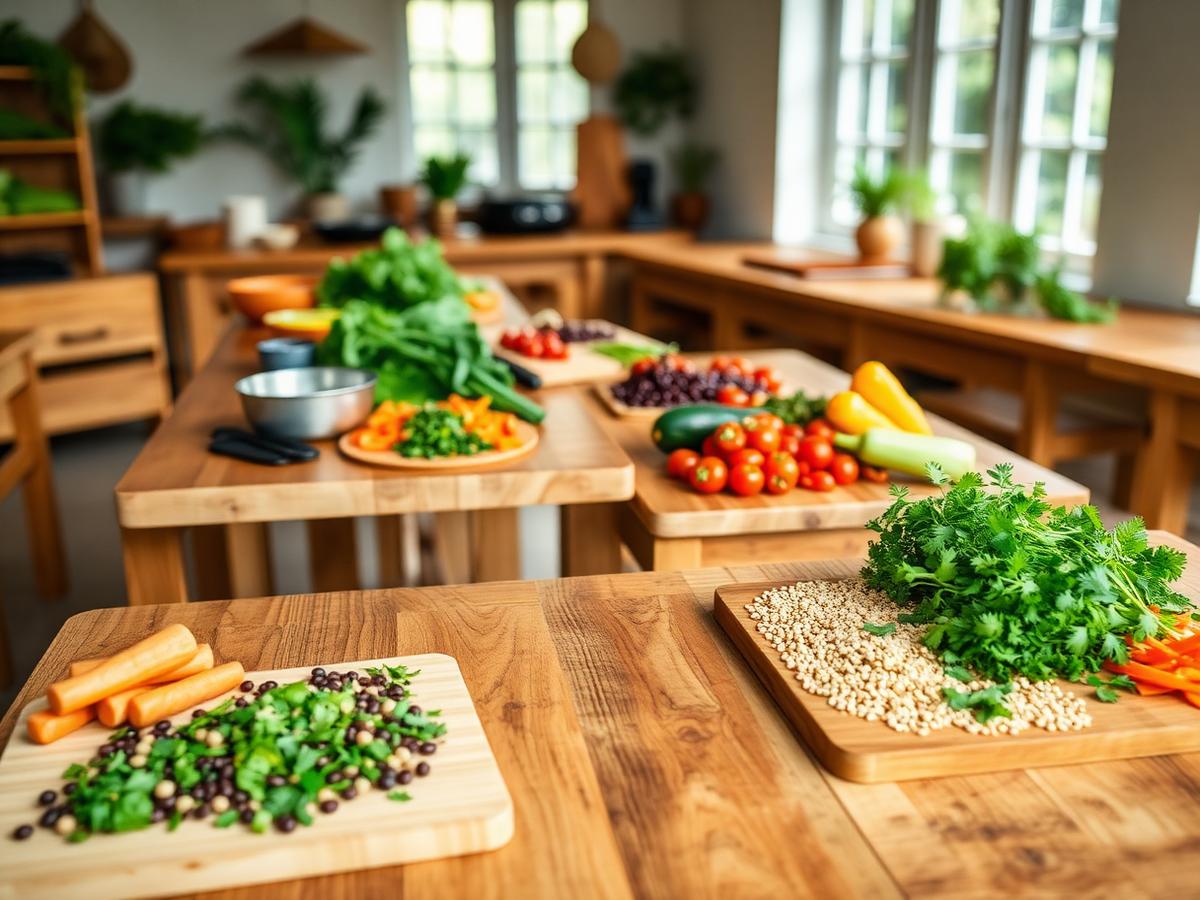
Nutrition education is often delivered as a fixed curriculum: a set number of sessions, a printed handout, and recipes that assume a full pantry and an hour of free time. Attendance in that model tends to fall off sharply after the first session, and the drop is usually read as a lack of interest rather than a design problem.
The most useful starting point is an inventory of what participants actually cook with: the stores within reach, the budget available per week, the equipment in the kitchen, and the cultural staples the household already prepares. A session that adapts a familiar dish is far more likely to change what happens at dinner than one that introduces an unfamiliar one.
Trust travels through people, not handouts. Programs that train facilitators from within the community — community health workers, promotores, faith leaders, or peer educators — tend to sustain participation because the person leading the session already has standing with the group.
The question is not whether the information is correct. It is whether the person receiving it can act on it this week.
Amana Healthcare builds a short feedback step into each session cycle — a few questions asked in person, reviewed with partners, and used to adjust the next round. Over several cycles this produces a curriculum shaped by the community rather than for it.
Amana Healthcare partners with community organizations, health systems, and employers to co-design nutrition education for specific groups and settings.
This article is general educational and operational content about community health programming. It is not medical advice and does not describe regulated home healthcare services.
Keep reading
Food as Medicine
The operational details — referral flow, pickup logistics, and follow-up — often matter more than the design of the benefit itself.
· 6 min read

Health Equity
Assessments become useful when they end in decisions — where to start, who to serve first, and what to stop planning.
· 6 min read
Partnership
Amana Healthcare collaborates with health systems, community organizations, agencies, and funders on prevention, nutrition, and community health initiatives.