Amana Healthcare logo
Building Healthier Communities Together

Our Initiatives

Collaborative Solutions for Healthier Communities

Amana Healthcare develops and supports community health initiatives that address the medical, nutritional, social, and environmental factors influencing well-being.

Our focus is on practical, partnership-driven approaches that expand access to resources, strengthen prevention, improve coordination, and create measurable community value.

Community health professionals and residents planning an initiative around a table with fresh produce

A Connected Approach

Health Challenges Rarely Exist in Isolation

Food access, health education, transportation, community trust, healthcare navigation, and prevention are deeply connected. An effective initiative should consider how these factors influence one another.

Amana Healthcare's initiatives are designed to help partners move beyond isolated activities and toward coordinated approaches that connect organizations, resources, education, outreach, and measurable goals.

Each initiative is built around a defined community need, clear partner roles, practical implementation, and meaningful outcomes.

  • Community-Informed

    Initiatives should reflect local priorities, barriers, strengths, and lived experience.

  • Partnership-Driven

    Each initiative is designed around organizations contributing complementary expertise and resources.

  • Evidence-Based

    Planning should be informed by research, community-health data, promising practices, and measurable objectives.

  • Built for Evaluation

    Initiatives should define what success means and how progress will be tracked.

Initiative Portfolio

Eight Areas of Focus, One Connected Strategy

Filter by focus area to find the initiatives most relevant to your organization. Health equity is applied as a cross-cutting principle across every initiative.

Showing 3 of 8 initiatives in Nutrition and Food Access.

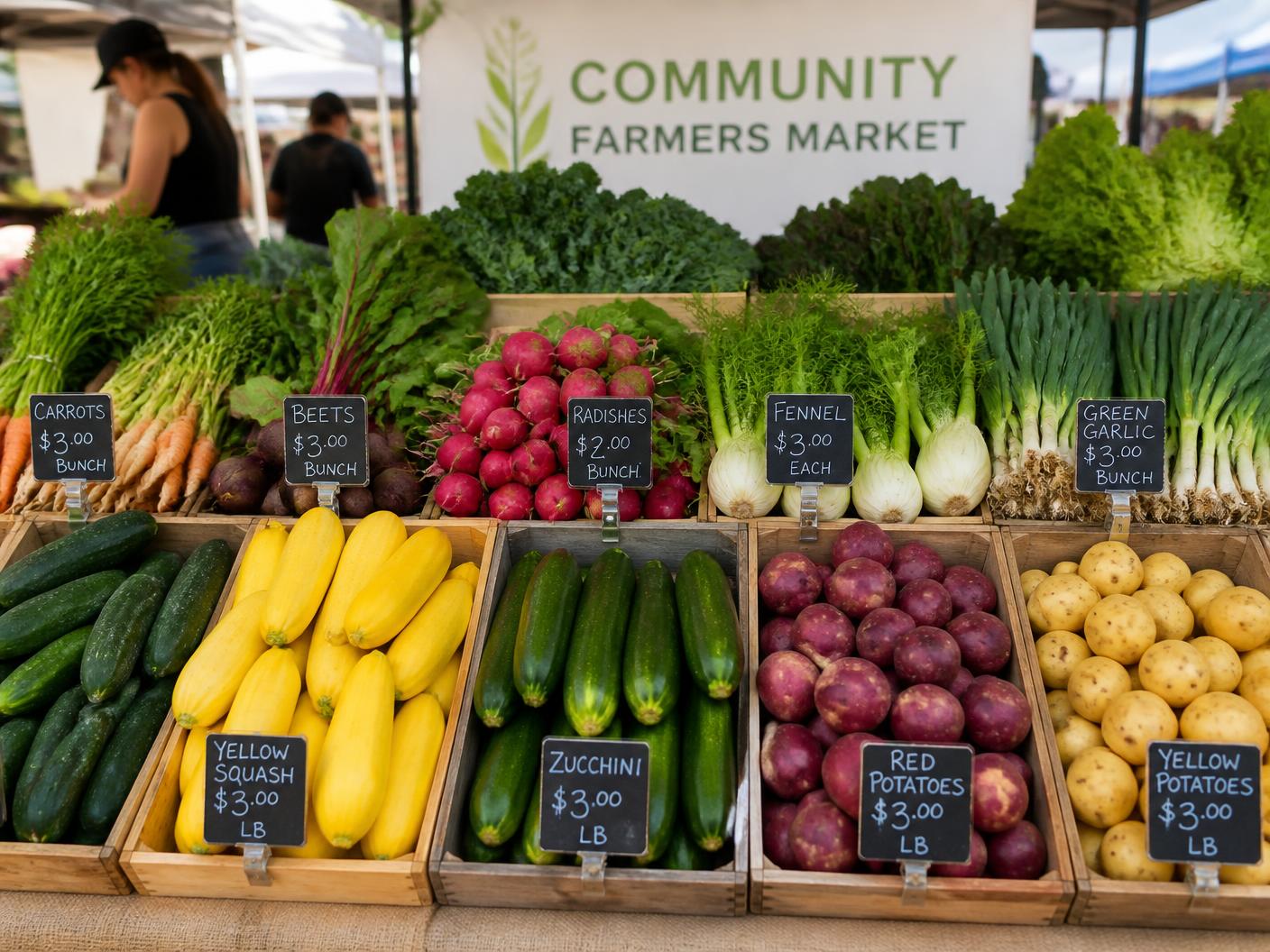
  • Crates of fresh vegetables at a community farmers market stall

    Nutrition and Food Access

    Produce Rx

    A collaborative approach connecting eligible individuals with fresh produce, nutrition support, healthcare referrals, and community resources.

    Status:
    In Development
    Partner opportunity:
    Hospitals and health systems, FQHCs and community health centers, Food banks and food organizations, Farmers and produce vendors

    Learn more about Produce Rx

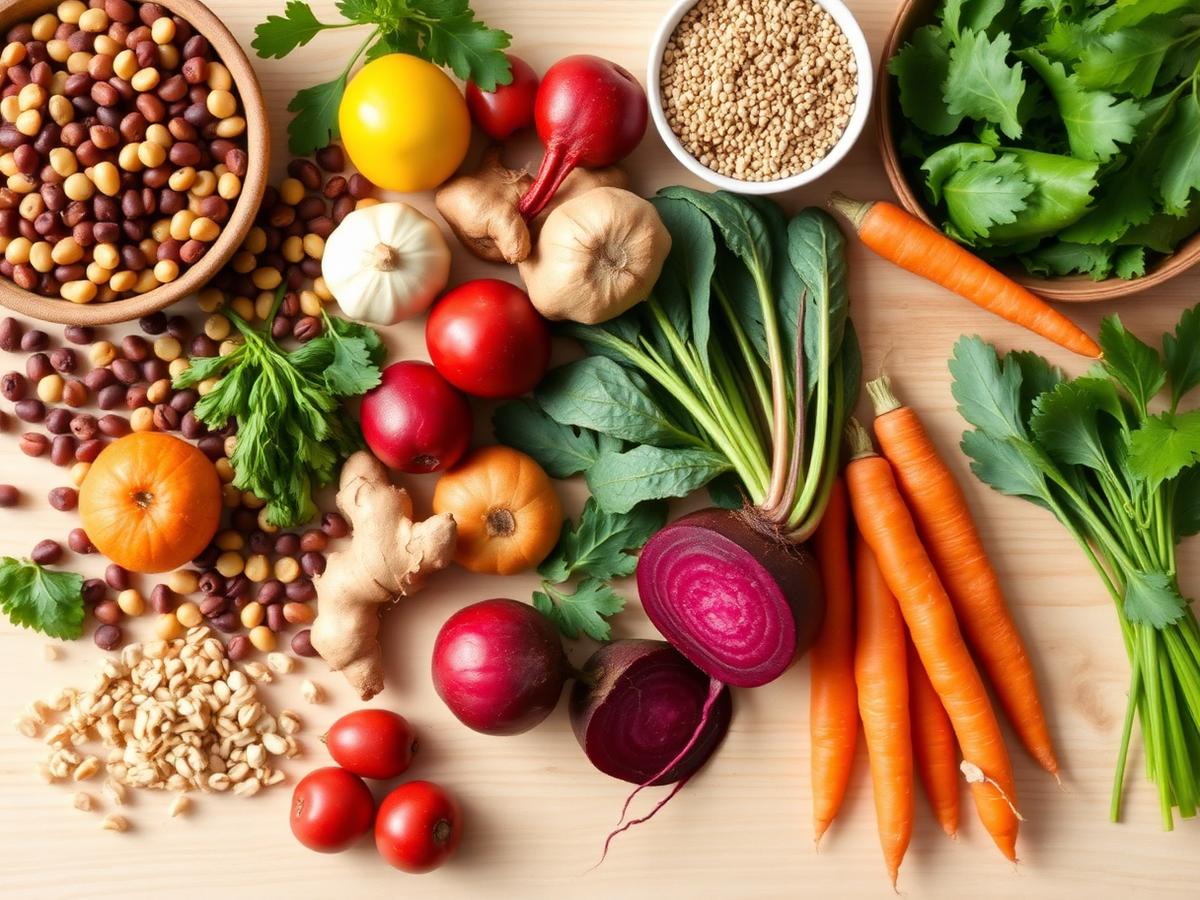
  • A colorful arrangement of legumes, fresh fruits, beets, ginger, vegetables, and whole grains on a light wooden table

    Nutrition and Food Access

    Food as Medicine

    Partnership-based strategies that connect nutritious food, prevention, education, and healthcare priorities.

    Status:
    Partnership Opportunities Open
    Partner opportunity:
    Health systems, Community health centers, Food organizations, Foundations and funders

    Learn more about Food as Medicine

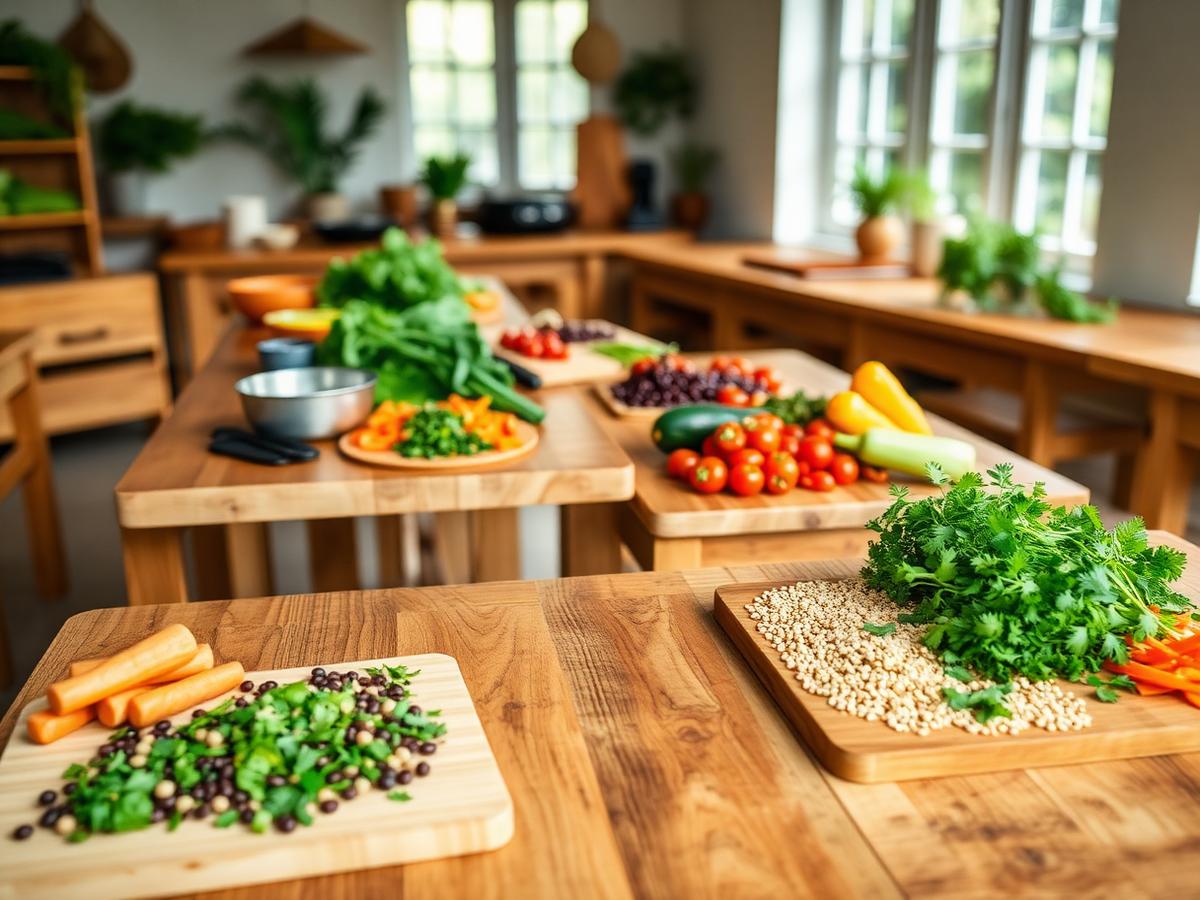
  • Community nutrition kitchen with fresh vegetables, legumes, and herbs prepared on wooden tables, no people visible

    Nutrition and Food Access

    Nutrition Education

    Practical, culturally responsive learning opportunities that support healthier food choices, confidence, and sustainable habits.

    Status:
    Planning Phase
    Partner opportunity:
    Schools, Nonprofits, Healthcare organizations, Community centers

    Learn more about Nutrition Education

One Mission, Connected Initiatives

Each Initiative Supports a Broader Community Health Strategy

Amana Healthcare's initiatives are distinct, but they are designed to reinforce one another. Nutrition access can strengthen prevention. Education can improve engagement. Care coordination can help people reach available resources. Partnerships can make each effort more sustainable.

Five connected pillars — Nutrition Access, Prevention, Coordination, Equity, and Measurement — each support the shared goal of healthier people and stronger communities.

Shared goal

Healthier People and Stronger Communities

  1. 01 · Pillar

    Nutrition Access

    • Produce Rx
    • Food as Medicine
    • Nutrition Education

    Supports: Healthier People and Stronger Communities

  2. 02 · Pillar

    Prevention

    • Chronic Disease Prevention
    • Community Wellness
    • Health Education

    Supports: Healthier People and Stronger Communities
  3. 03 · Pillar

    Coordination

    • Resource Navigation
    • Referral Pathways
    • Partner Communication

    Supports: Healthier People and Stronger Communities
  4. 04 · Pillar

    Equity

    • Barrier Reduction
    • Community Voice
    • Culturally Responsive Design

    Supports: Healthier People and Stronger Communities
  5. 05 · Pillar

    Measurement

    • Defined Outcomes
    • Participation Tracking
    • Continuous Improvement

    Supports: Healthier People and Stronger Communities

Featured Initiative

Produce Rx: Connecting Food Access With Health

Produce prescription programs create structured connections between healthcare organizations, fresh-food access, nutrition education, and community support.

Amana Healthcare is developing a partnership model that can help eligible individuals access fruits and vegetables while supporting referrals, education, engagement, coordination, and outcome tracking.

The initiative is currently in development, and Amana Healthcare is seeking organizations interested in contributing clinical referral pathways, food access, funding, community outreach, evaluation, or implementation support.

Crates of fresh vegetables at a community farmers market stall

Healthcare Referral Pathways

Potential referral relationships with healthcare providers and community health centers.

Fresh Produce Access

Partnerships with food organizations, farms, markets, food banks, or produce vendors.

Nutrition Education

Practical education that supports confidence, food preparation, and healthier choices.

Participant Support

Community navigation, reminders, referrals, and engagement support where appropriate.

Outcome Measurement

Tracking participation, food access, engagement, and partner-defined health or program measures.

Partner types we are speaking with

  • Hospitals and health systems
  • FQHCs and community health centers
  • Food banks and food organizations
  • Farmers and produce vendors
  • Health departments
  • Foundations and grant funders
  • Universities and evaluators
  • Community and faith-based organizations

Produce Rx is in development. No participant enrollment is open, and all activities are subject to funding and partnership agreements.

Ways to Partner

Every Initiative Requires the Right Combination of Partners

Amana Healthcare welcomes conversations with organizations that can contribute expertise, trusted community relationships, funding, referrals, food access, education, evaluation, technology, outreach, or implementation capacity.

  • Referral Partner

    Identify eligible individuals and connect them with an initiative through an agreed referral process.

  • Implementation Partner

    Help deliver outreach, education, logistics, participant support, or community activities.

  • Food Access Partner

    Provide or coordinate fresh produce, nutritious foods, distribution capacity, or food-system expertise.

  • Funding Partner

    Support initiative design, implementation, staffing, participant resources, evaluation, or expansion.

  • Community Outreach Partner

    Help build awareness, trust, engagement, and communication within local communities.

  • Evaluation Partner

    Support data collection, outcome measurement, analysis, research, and continuous improvement.

  • Education Partner

    Provide evidence-based curriculum, workshops, learning materials, or subject-matter expertise.

  • Strategic Convener

    Bring organizations together, align priorities, and help strengthen cross-sector collaboration.

How Initiatives Are Developed

From an Identified Need to a Coordinated Response

Amana Healthcare uses a structured process to help ensure that each initiative is relevant, feasible, partnership-driven, and designed for measurable impact.

  1. Step 1

    Identify the Need

    Review available health data, partner priorities, community feedback, and local conditions.

  2. Step 2

    Define the Population

    Clarify who the initiative is intended to support and which barriers should be addressed.

  3. Step 3

    Engage Potential Partners

    Identify organizations with complementary expertise, resources, trust, and operational capacity.

  4. Step 4

    Design the Initiative

    Define activities, eligibility, referral pathways, education, partner roles, timelines, and intended outcomes.

  5. Step 5

    Confirm Resources

    Identify staffing, funding, technology, food access, locations, materials, and evaluation needs.

  6. Step 6

    Implement and Coordinate

    Support communication, outreach, logistics, referrals, documentation, and partner alignment.

  7. Step 7

    Measure and Improve

    Review participation, implementation quality, barriers, outcomes, and opportunities for improvement.

Questions

Frequently Asked Questions

Transparent answers about initiative status, partnership pathways, and how collaborations begin.

Ready to talk? Use the partnership inquiry form to share your organization and the community need you're addressing.

Build With Amana Healthcare

Have a Community Health Need or Partnership Idea?

Amana Healthcare welcomes conversations with organizations interested in developing practical, collaborative, and measurable initiatives that strengthen health and well-being.

Early-stage ideas, grant opportunities, pilot concepts, and community priorities are welcome.